
1. Where are you based, and do you have any formal training?
I am based in Los Angeles, California, and have been here for the past 15 years. I studied art early on in school but later switched to architecture, eventually earning my graduate degree from SCI-Arc. SCI-Arc is what brought me to Los Angeles. After graduating, I went through a period of relearning, reconnecting with my artistic foundation while also studying and learning from the art community in Los Angeles.
2. How did you get into the art of sculpting?
I have always felt a need to work with my hands, as well as to create. I think that combination naturally led me to sculpture. My background in architecture also gave me an understanding of three-dimensional space and how objects exist within it. I feel much more comfortable working in the physical dimension than on a two-dimensional plane, so choosing sculpture felt like the natural path for me.
3. Your sculptures often feel as though they come from a forgotten mythology or a dream. Where does your visual language originate?
My visual language comes from the life around me. It grows out of everyday interactions with nature and people. Typically, it develops through a meditation on life, in a kind of dream state that I intentionally place myself in. I try to allow all of the influences around me to concentrate into a single emotion that I am feeling or trying to express. My hope is to create a visual representation that is not unique to me, but instead speaks to a universal aspect of human existence. I think this creates a mythology of its own, one that is always rooted in the journey of being human.
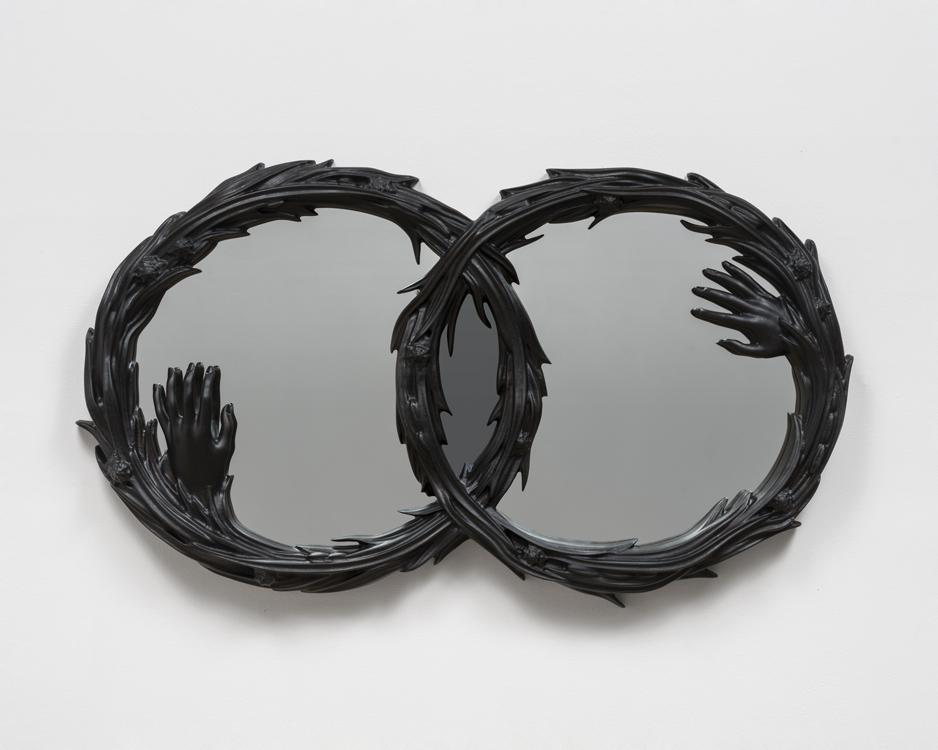
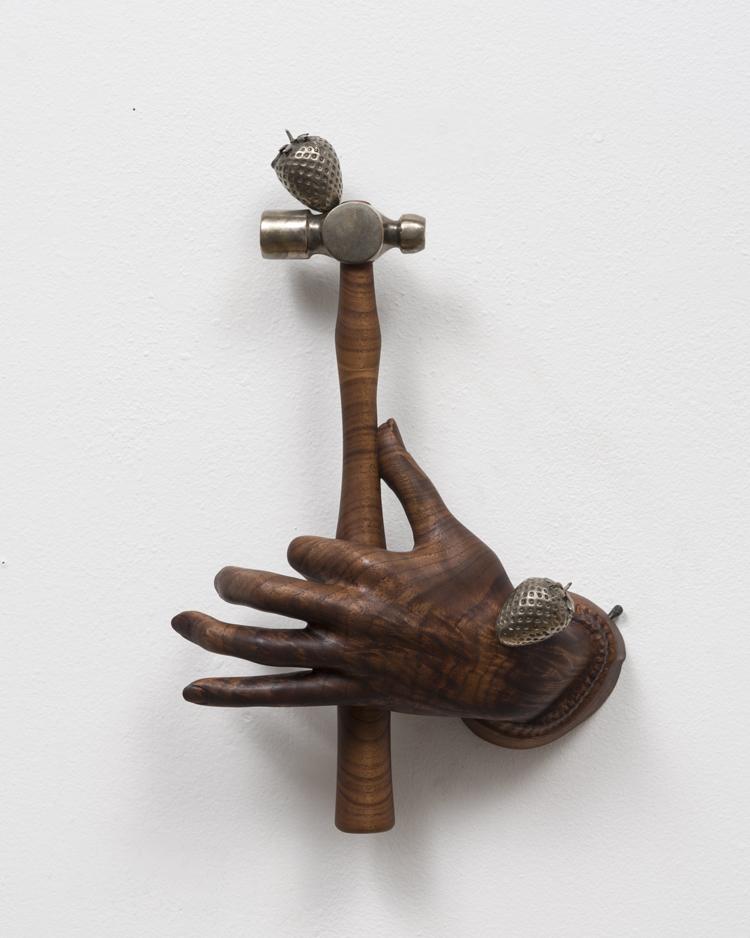
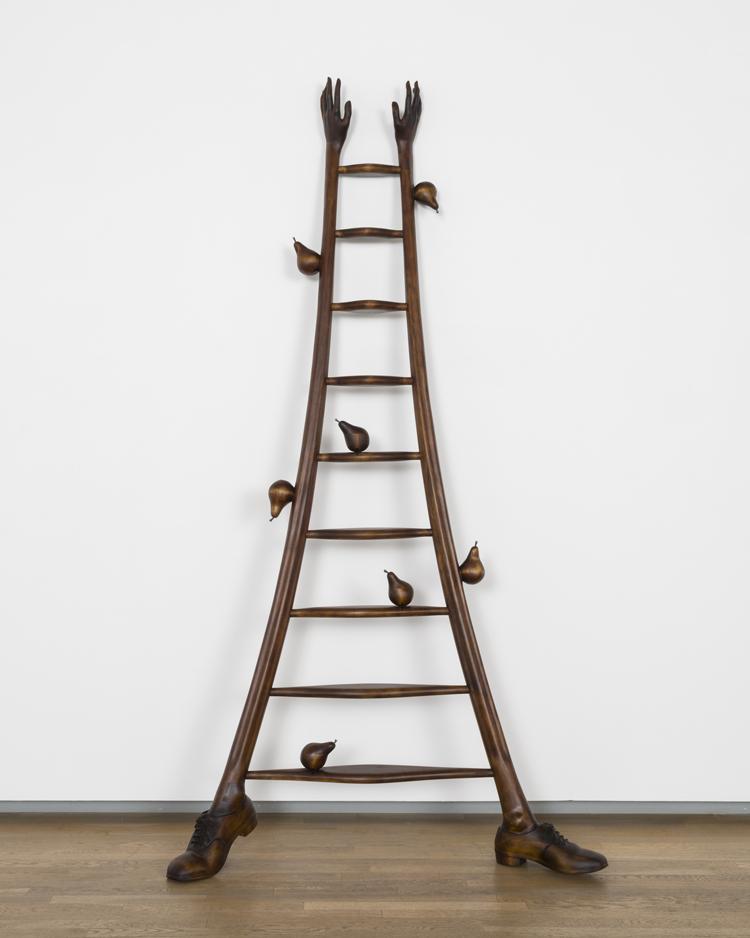
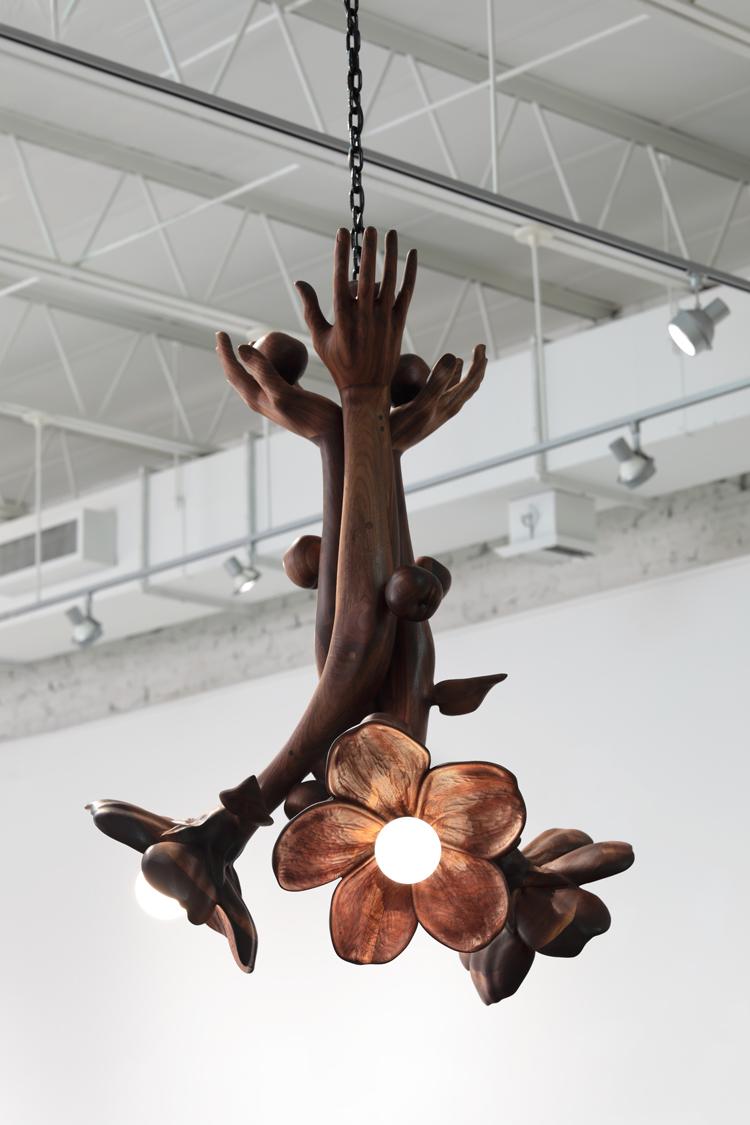
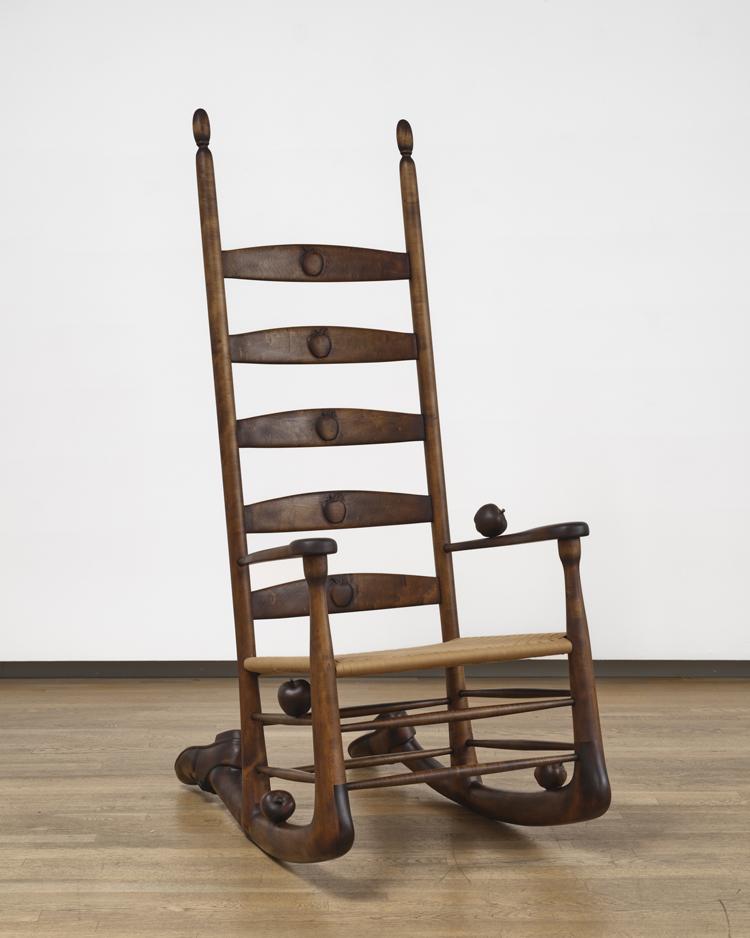
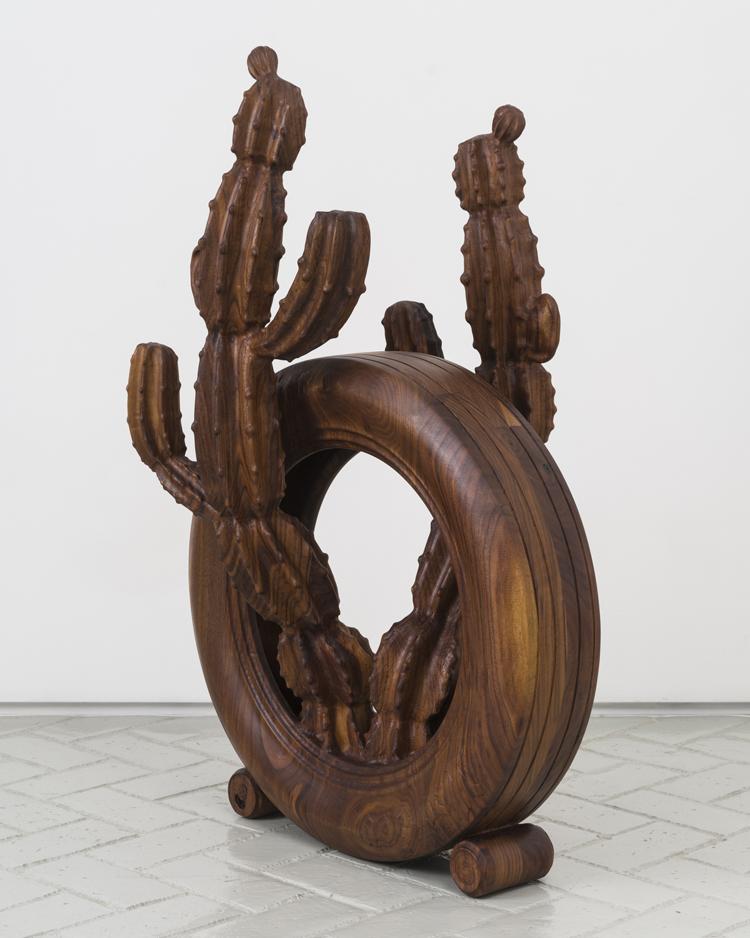
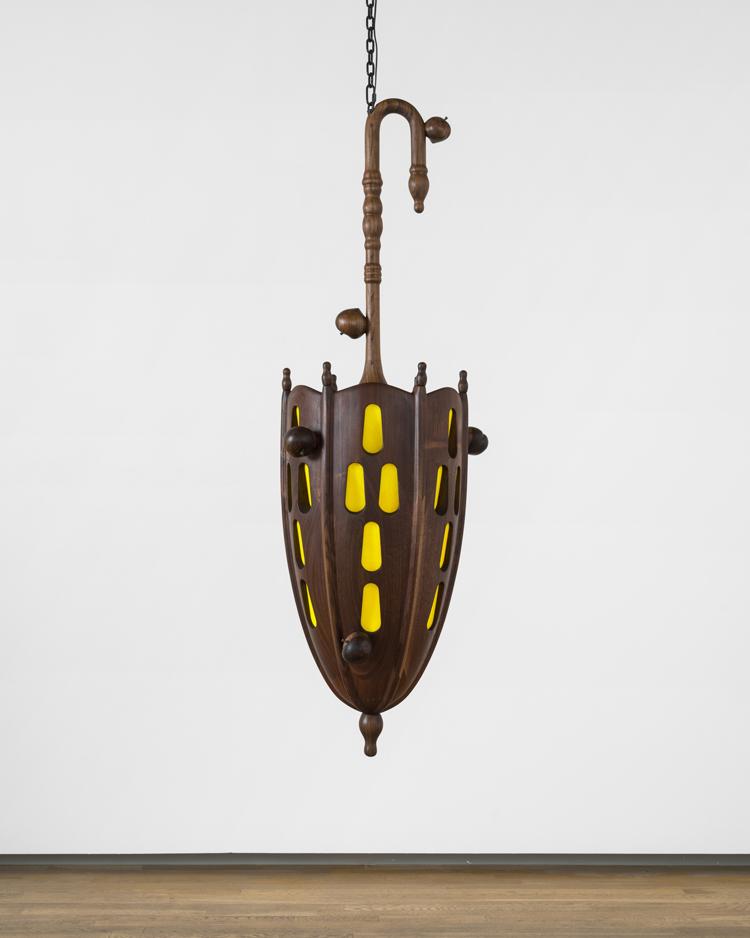
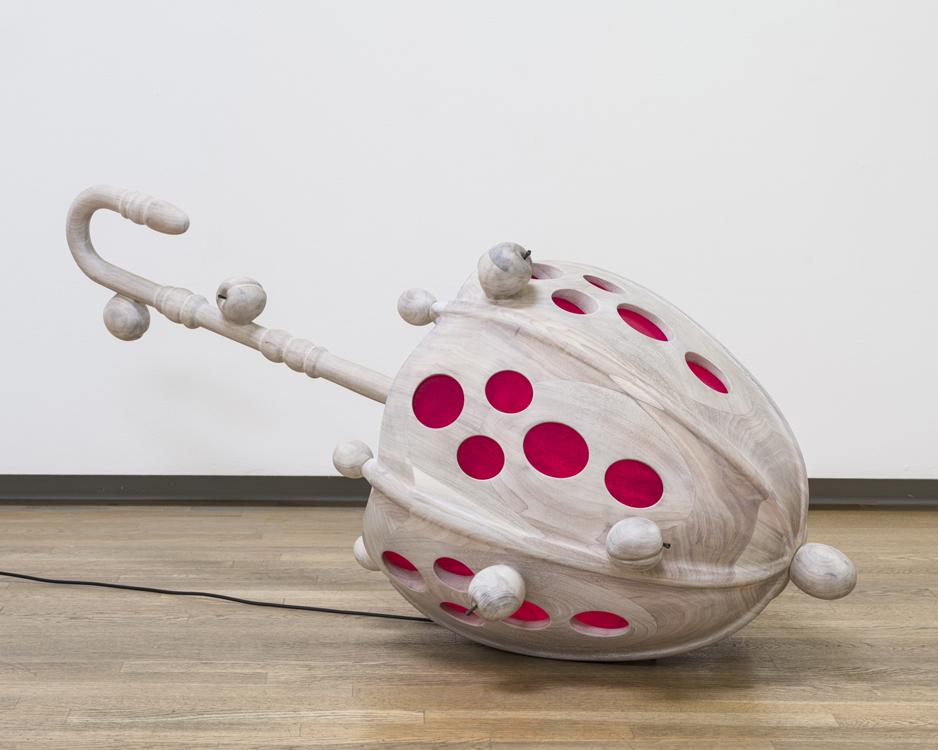
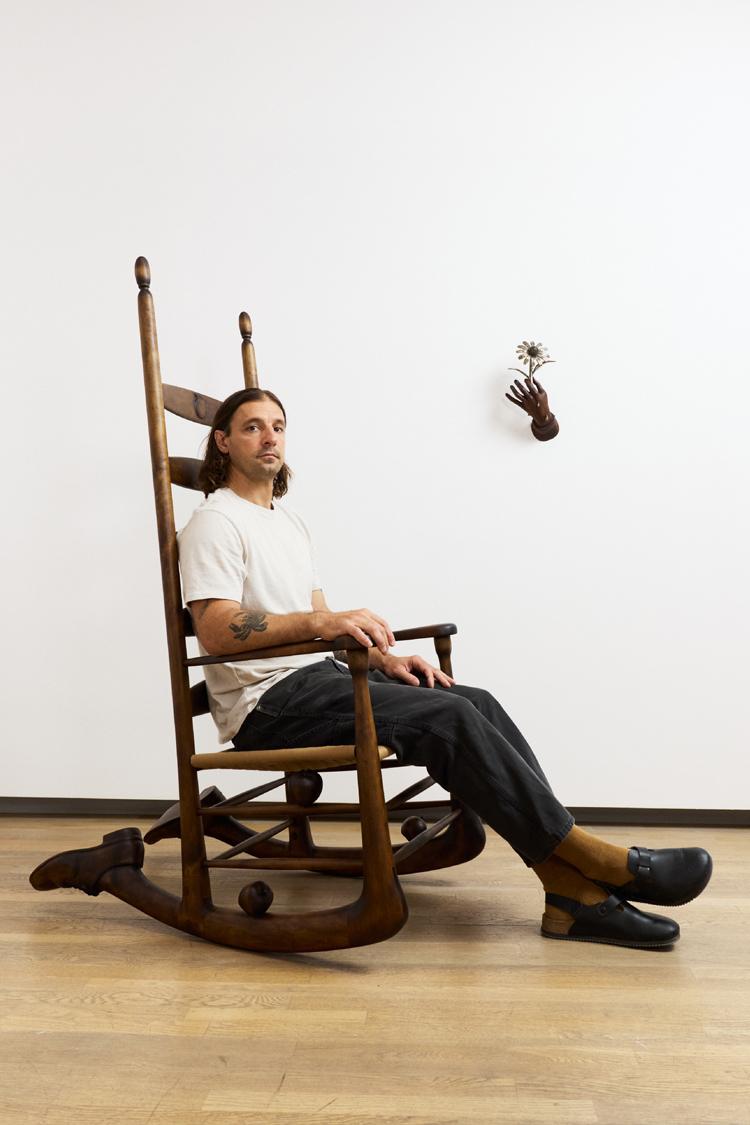
4. Your creatures often exist somewhere between the familiar and the alien. What attracts you to that in-between space?
I believe the in-between is where the truest state of reality exists. Reality itself is fickle and ultimately based on our perception of an experience. By making work that exists in this in-between space, I hope to find some kind of truth, or at least my own truth.
5. Do you see your sculptures as portraits of emotional states?
I do see most of my work as portraits of emotional states. I am usually trying to capture a particular emotion that I have felt or observed in another person, rather than the concrete identity of any one thing or individual.
6. How much of a sculpture is planned before you begin, and how much is discovered through the act of making?
I am a very visual daydreamer and often have a fairly clear idea of what I am making before I begin. I also work extensively on paper with sketches, so by the time I start carving, many of the decisions have already been made. Of course, unexpected things happen during the process that change the original plan, usually for the better.
7. What is the most difficult part of bringing one of your characters into existence?
The idea is both the hardest and the most important part of making art.
8. Do you ever feel that you are discovering a sculpture rather than creating it?
I feel that the act of creation is, in itself, an act of discovery. I discover the work as it develops, but I also discover things about myself through the process of making it.
9. Which artists, designers, filmmakers, writers, or musicians have had the greatest influence on your imagination?
I am constantly looking to different sources of inspiration. Some of the artists I find myself returning to most often are Berlinde de Bruyckere, Francis Bacon, Henri Rousseau, Agnes Pelton, Martin Puryear, and Louise Bourgeois, in no particular order. More recently, I have been looking closely at the work of Bruno Gironcoli. His work is fascinating in its strangeness, and I think I am most drawn to it because there is something about it that I don't fully understand.
10. In an age increasingly dominated by digital imagery and artificial intelligence, what is the importance of a hand-built object?
I think the importance of a hand-built object lies in respecting our humanity and our heritage. The act of creating with our hands has been passed down through generations, and losing that tradition would be an immeasurable loss.
11. What can a sculpture communicate that a painting or photograph cannot?
I'm not entirely convinced that sculpture can communicate something that painting or photography cannot. However, I do think sculpture's relationship to physical space, and the way light interacts with it, is one of its unique strengths.
12. What is something people misunderstand about your work?
I intentionally leave room for viewers to bring their own experiences and interpretations to the work, so I think every understanding of it is valid.
13. Are there ideas you have been carrying for years that you still have not found a way to make?
Too many to write down.
14. When you look back at your earliest work, what do you recognize as unchanged in your artistic voice?
I think I have always been focused on the human form. The degree of abstraction has changed over the years, but that central focus has remained.
15. What object in your studio would tell the most honest story about you?
A ball-peen hammer that was passed down to me by my grandfather.
16. What are you currently obsessed with outside of art?
My main obsessions outside of art are gardening and surfing. Both take me away from whatever stress I may be feeling and bring me closer to nature. Staying connected to nature is very important to both my life and my practice. Nature itself is one of the greatest sources of inspiration for my work.
17. What does success mean to you at this point in your career?
Right now, success means being able to go into the studio every day and make work. If I can do that while keeping the lights on, I feel successful.
