
1. You have described spending long hours drawing while your mother worked in the agricultural fields. Looking back, do you think art was initially an escape, a form of companionship, or simply something that came naturally to you?
Looking back now, I think I've definitely come to realize how drawing and art, to this very day, have been and remain driving and reinforcing forces throughout my entire creative life. It was and still is a combination of all of the above. At times, I wasn't able to work and help my mother because certain agricultural companies actually frowned upon child labor—go figure! But drawing was definitely a kind of pacifying companionship and an escape from boredom. It's always come naturally to me, as far back as I can remember.
2. When did you first realize that making art could become more than a personal passion and actually become your life's direction?
I think some of the most pivotal, revealing, and almost epiphanic moments that pointed me toward a more profound and purposeful direction came early in my artistic beginnings. I began noticing what people took away from my work and how they reacted to or processed its messaging. Whether it was healing for them, humorous, or sometimes even provoking anger, the work seemed to evoke something in people. That's when I realized the power of creativity and art, and the intention and messaging behind it.
3. Your collaboration with Armando Lerma as The Date Farmers became an important chapter in your career. Was the collaboration ultimately liberating or limiting for you?
There are many steps and chapters in a journey, and that chapter of mine was immensely important. Coming from similar backgrounds and sharing the same interests and curiosities about the world and everything in it, it was most definitely liberating, as well as a blessing. It brought about and evoked a certain creative harmonization and reinforcing energy that is rare and not easy for most artists to find today.
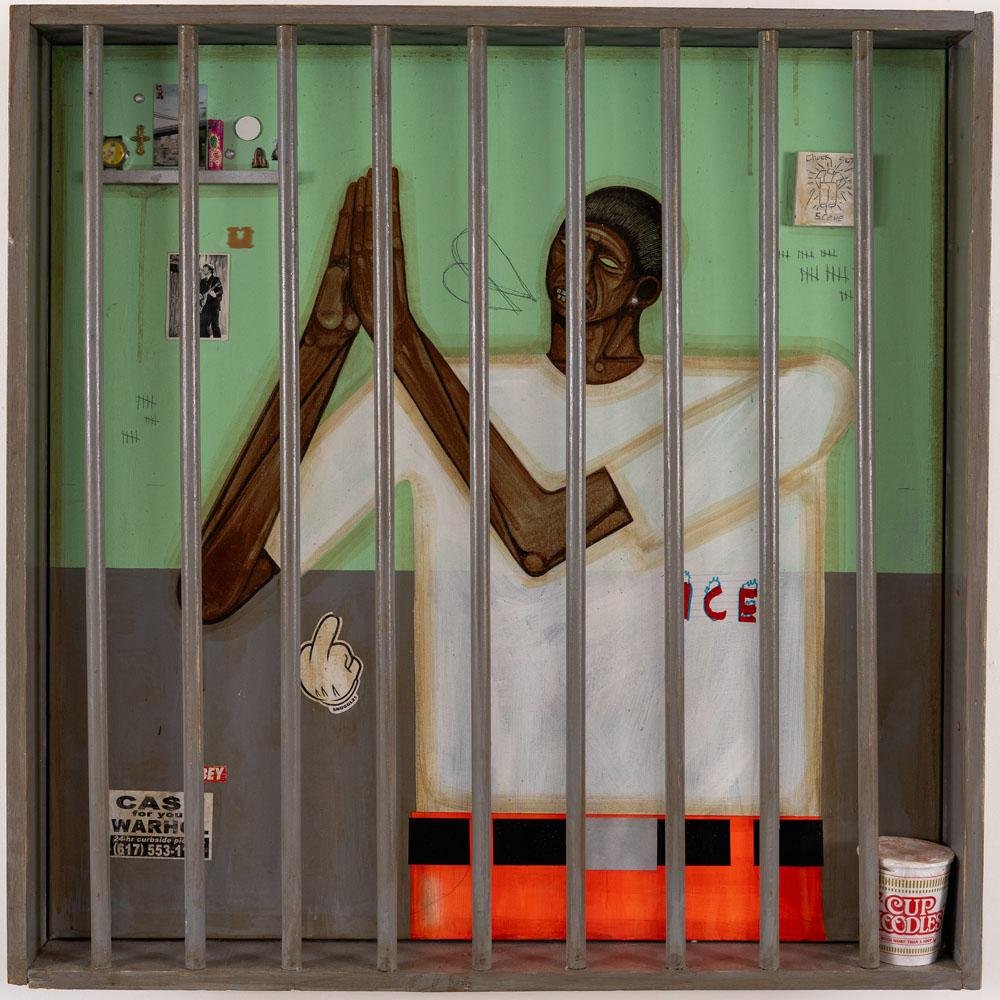
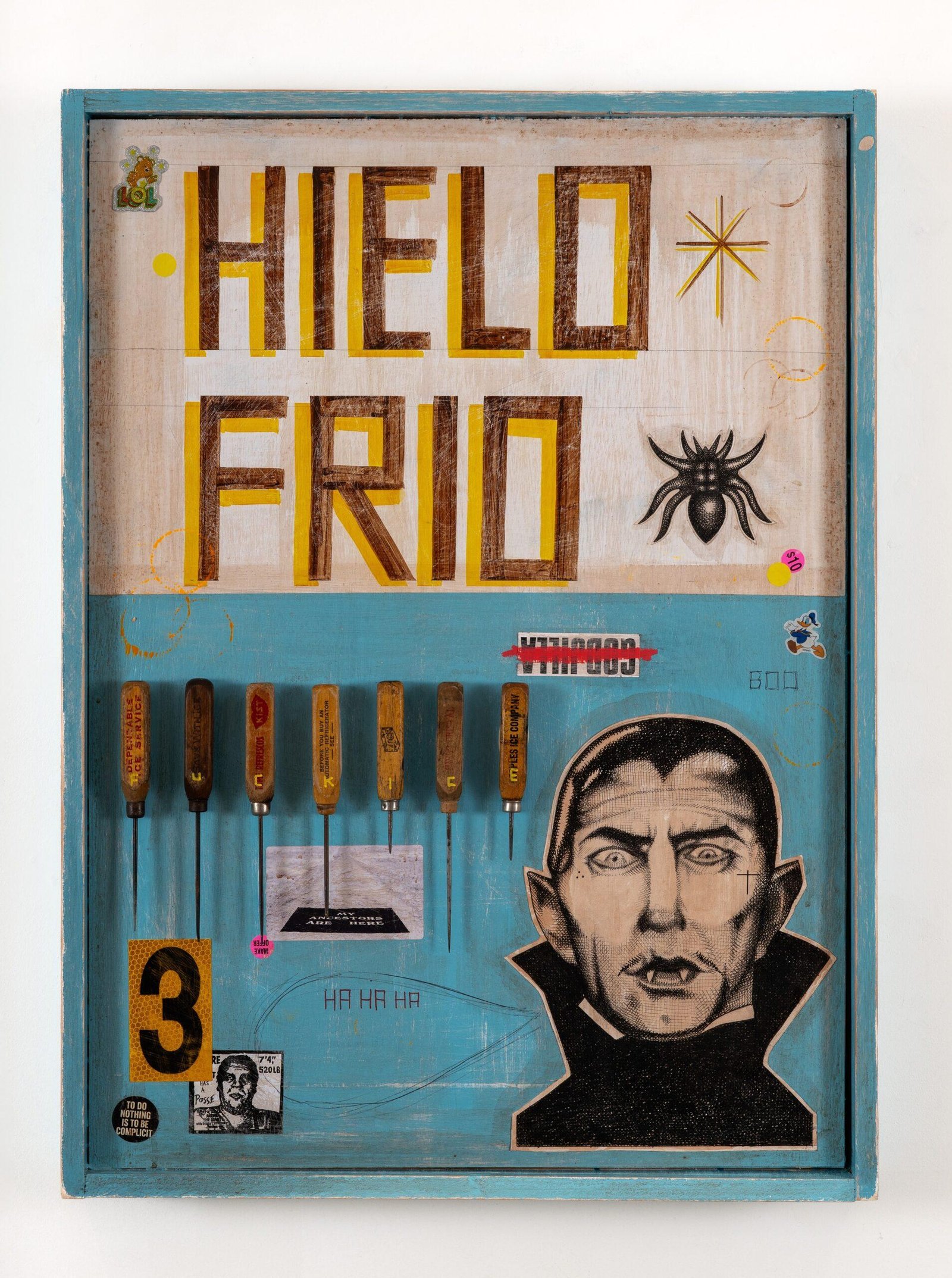
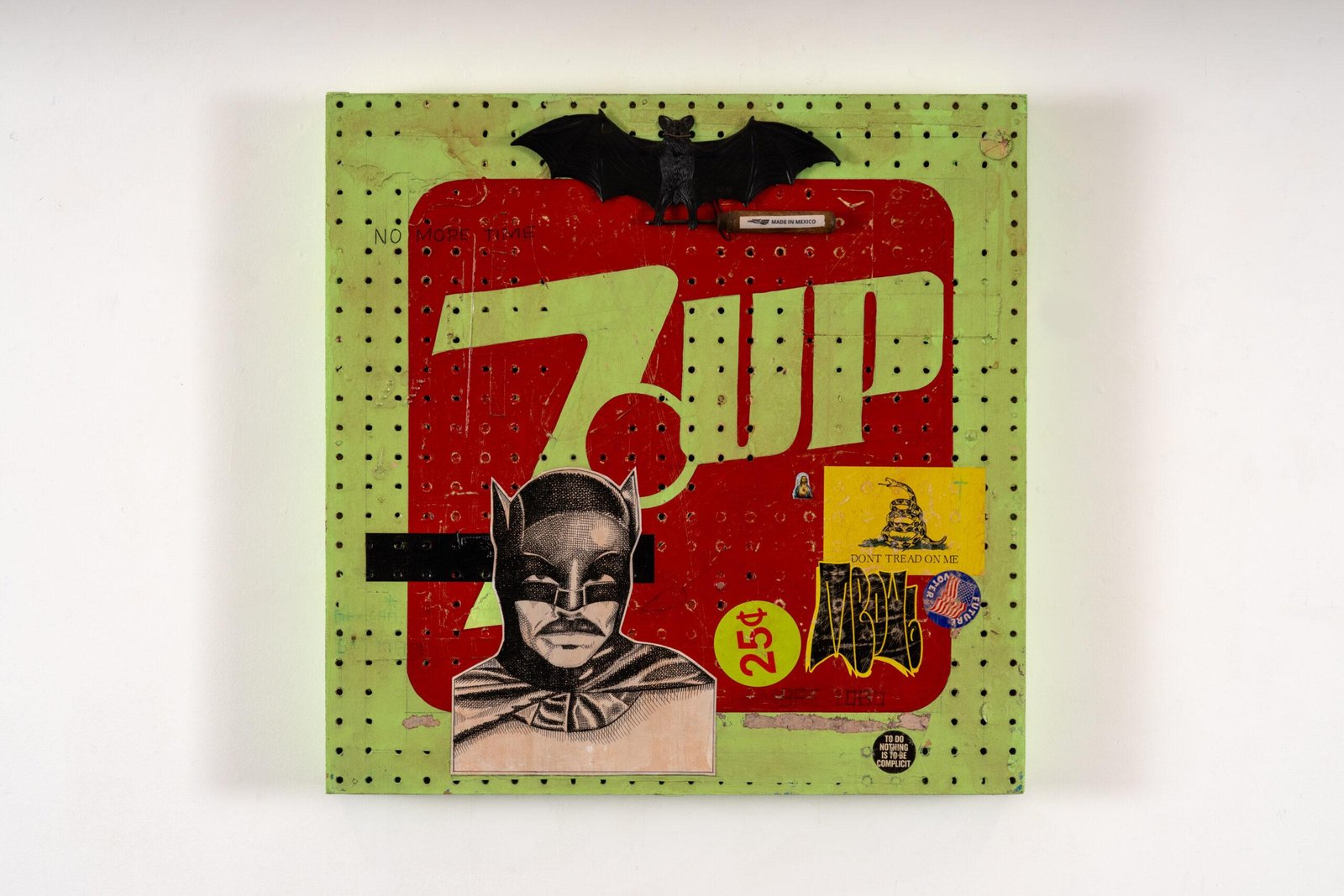
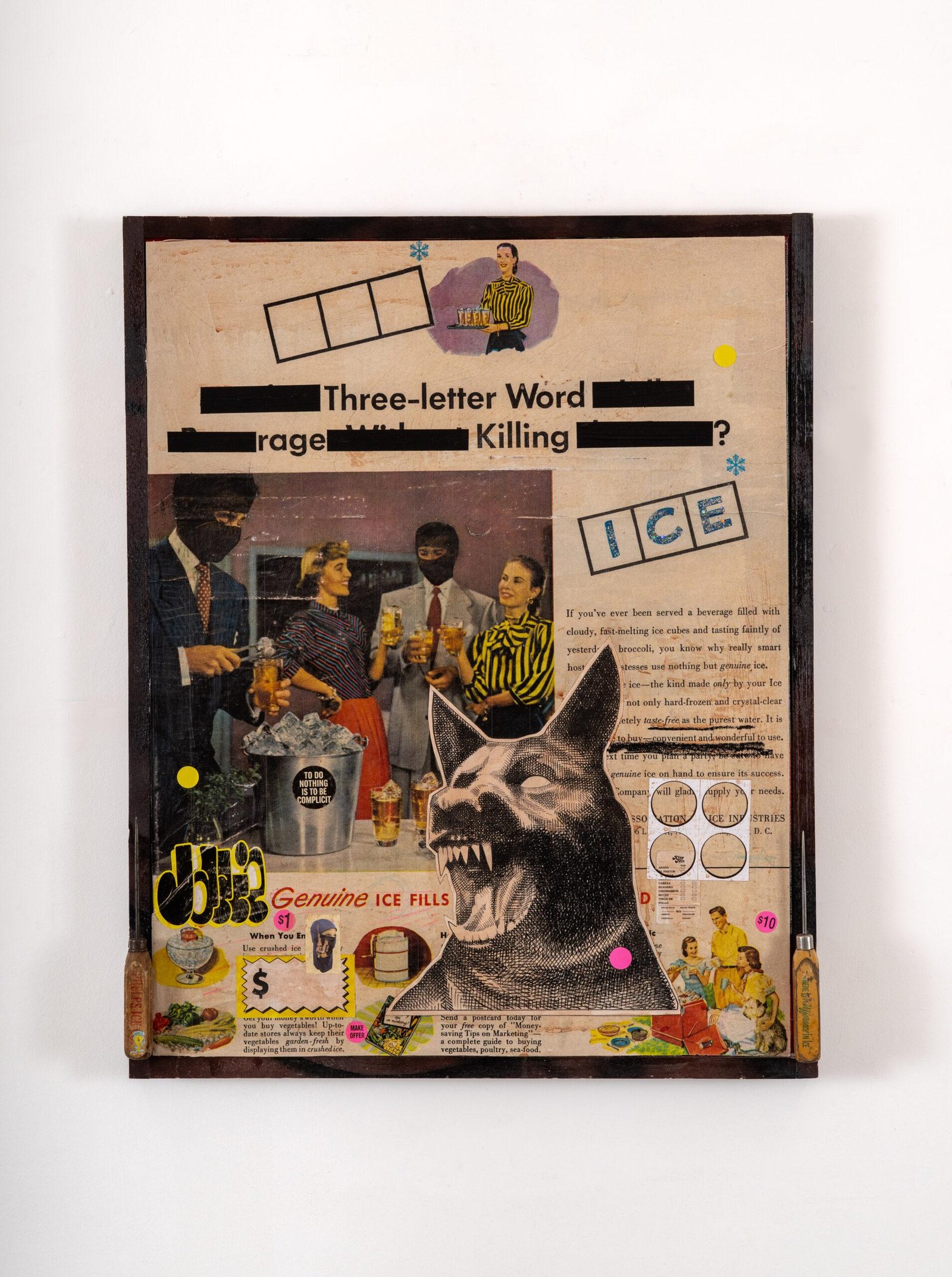
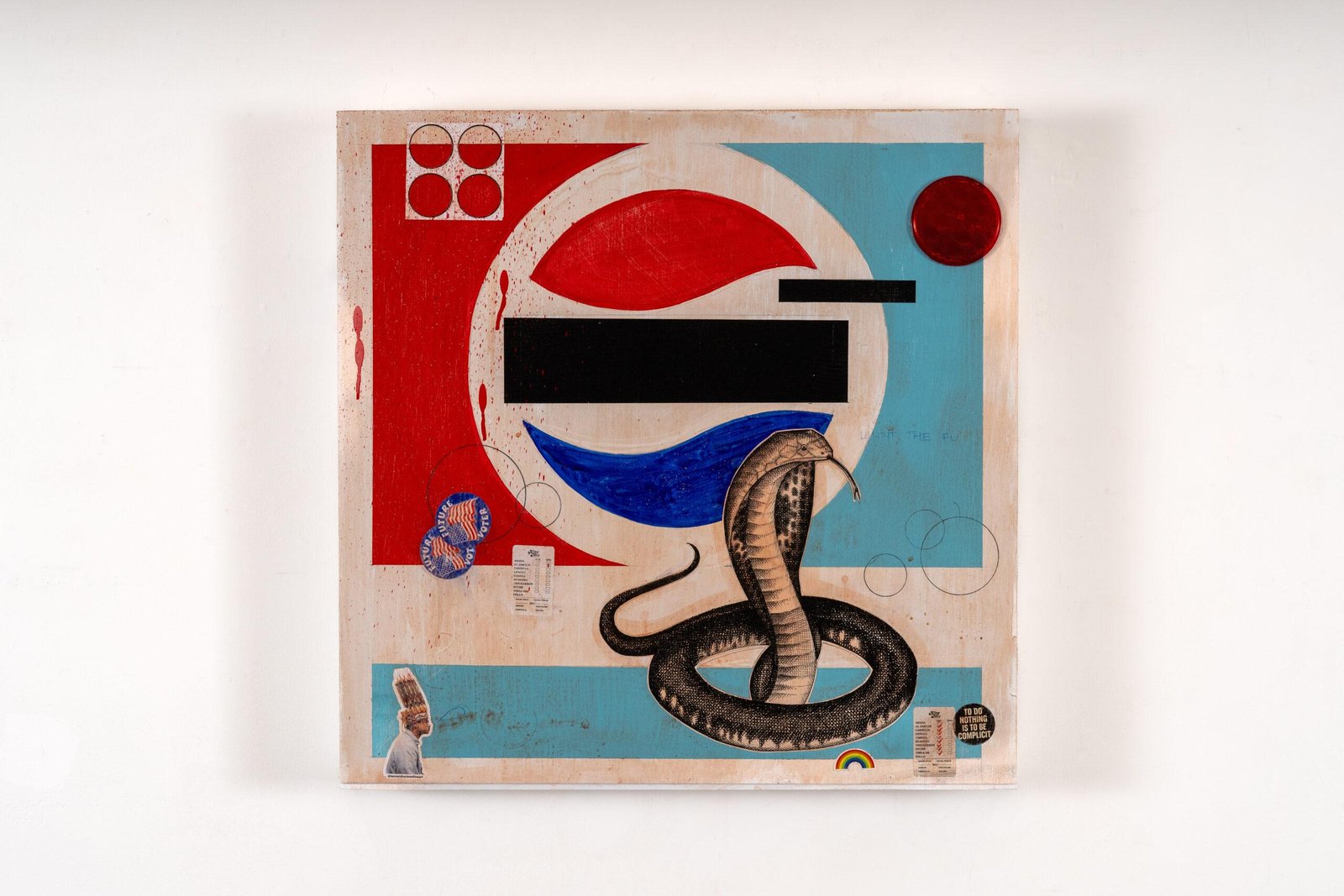
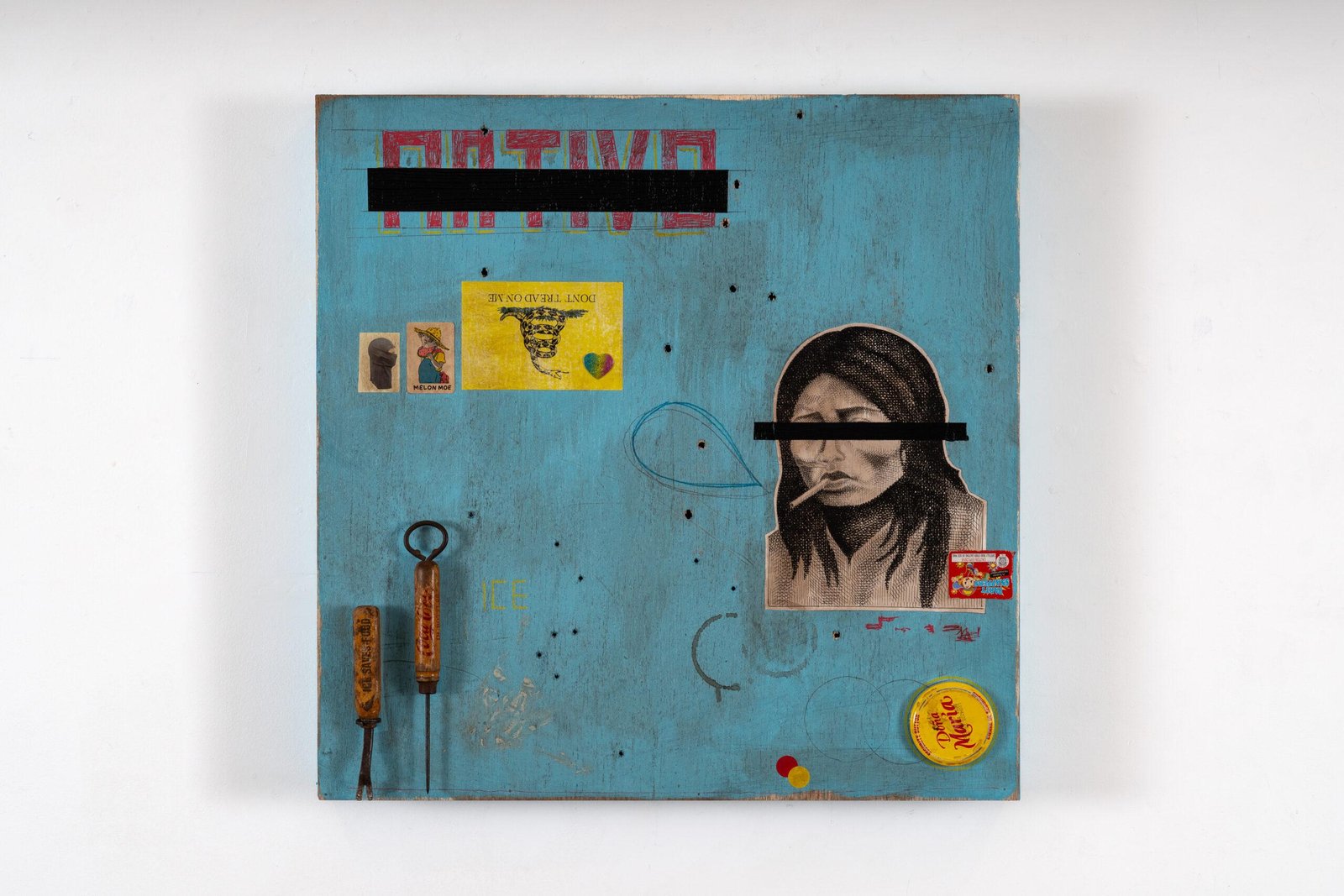
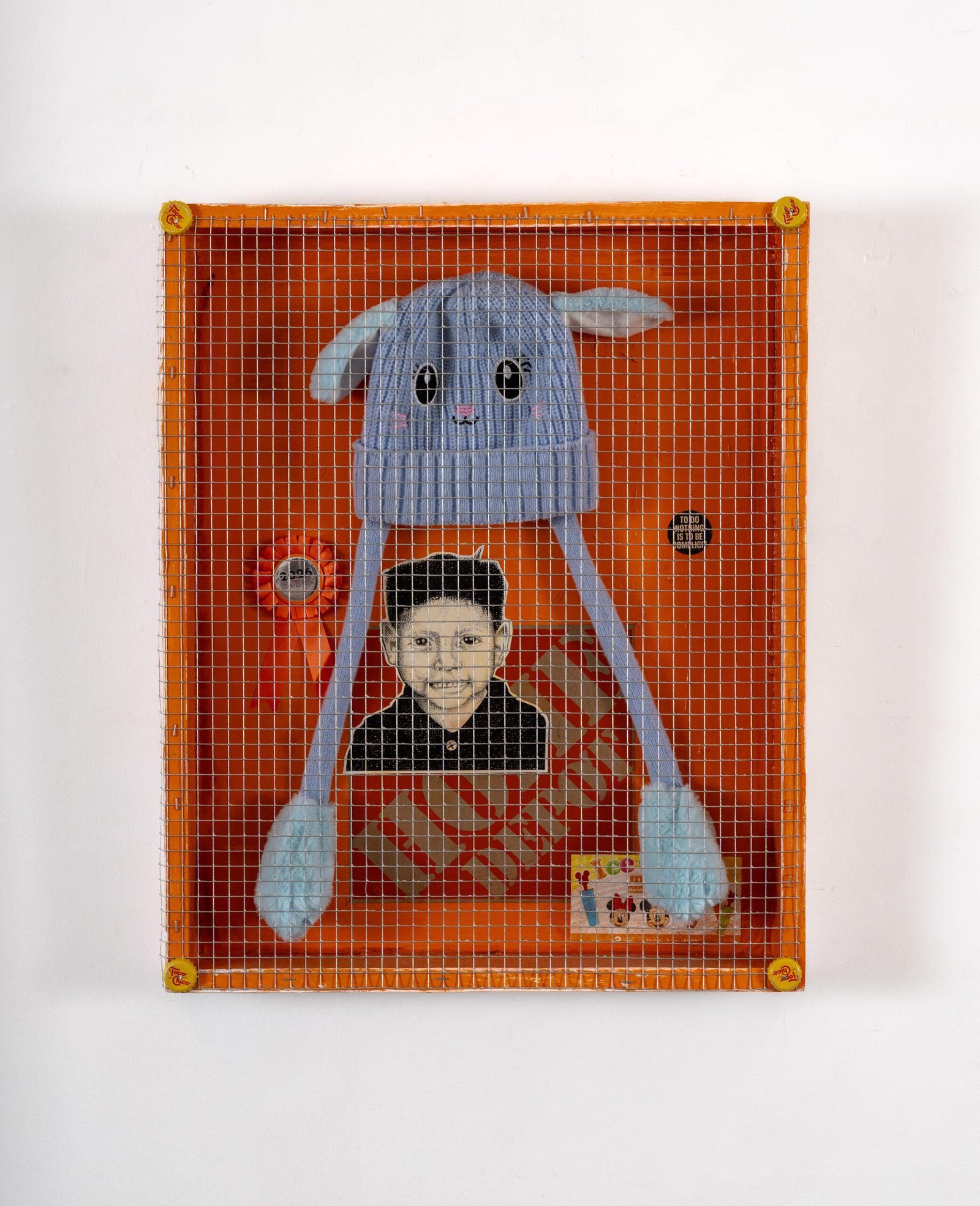
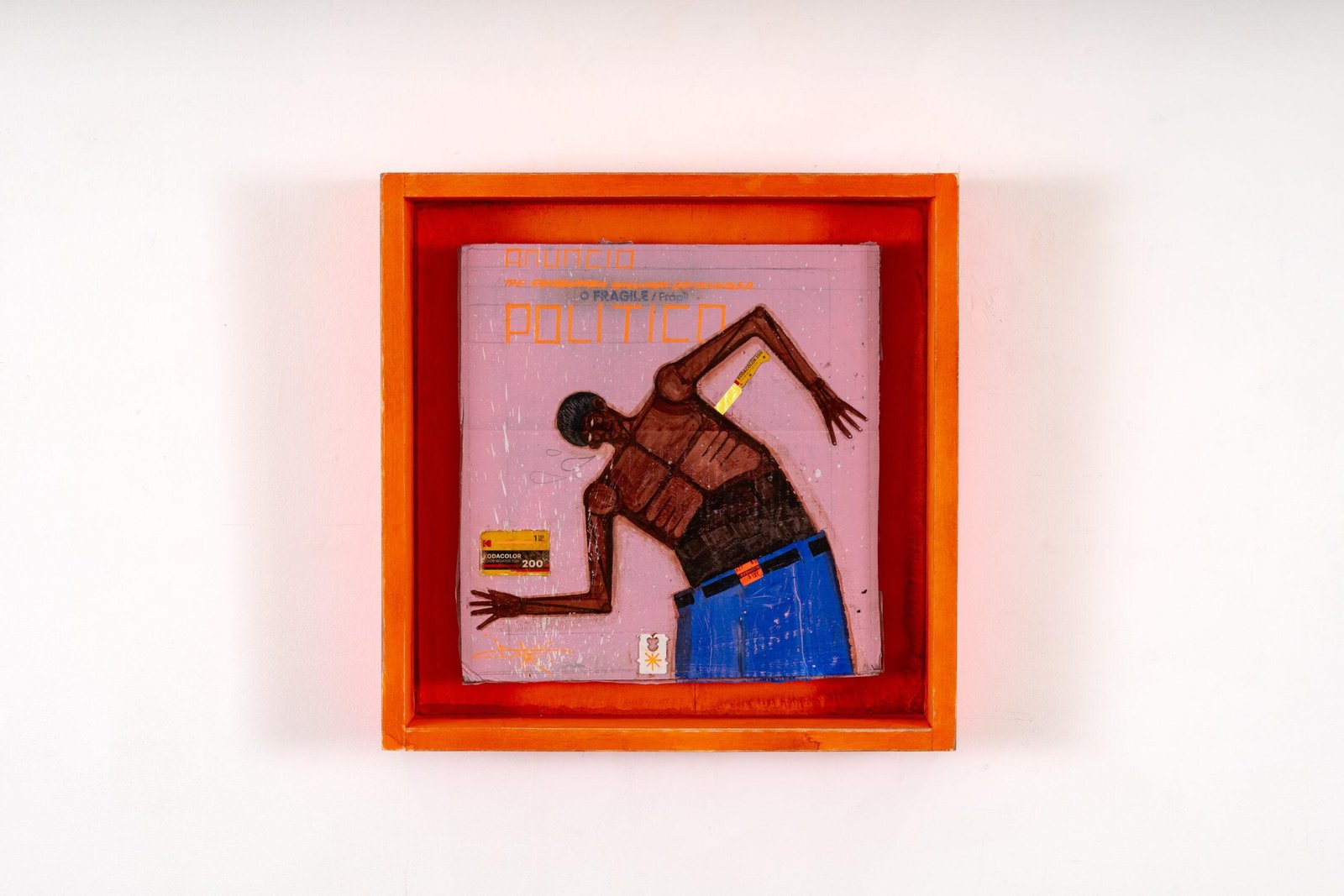
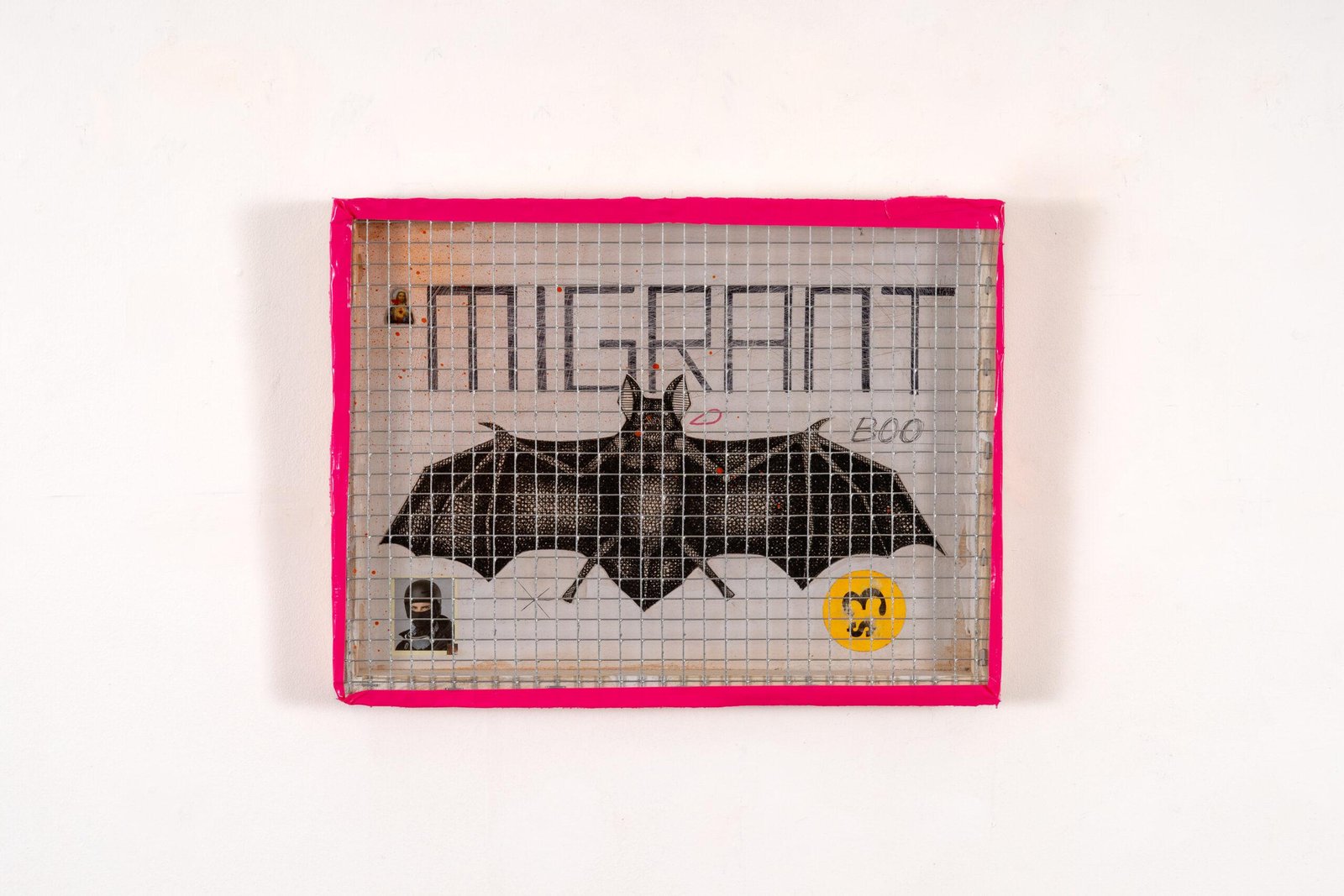
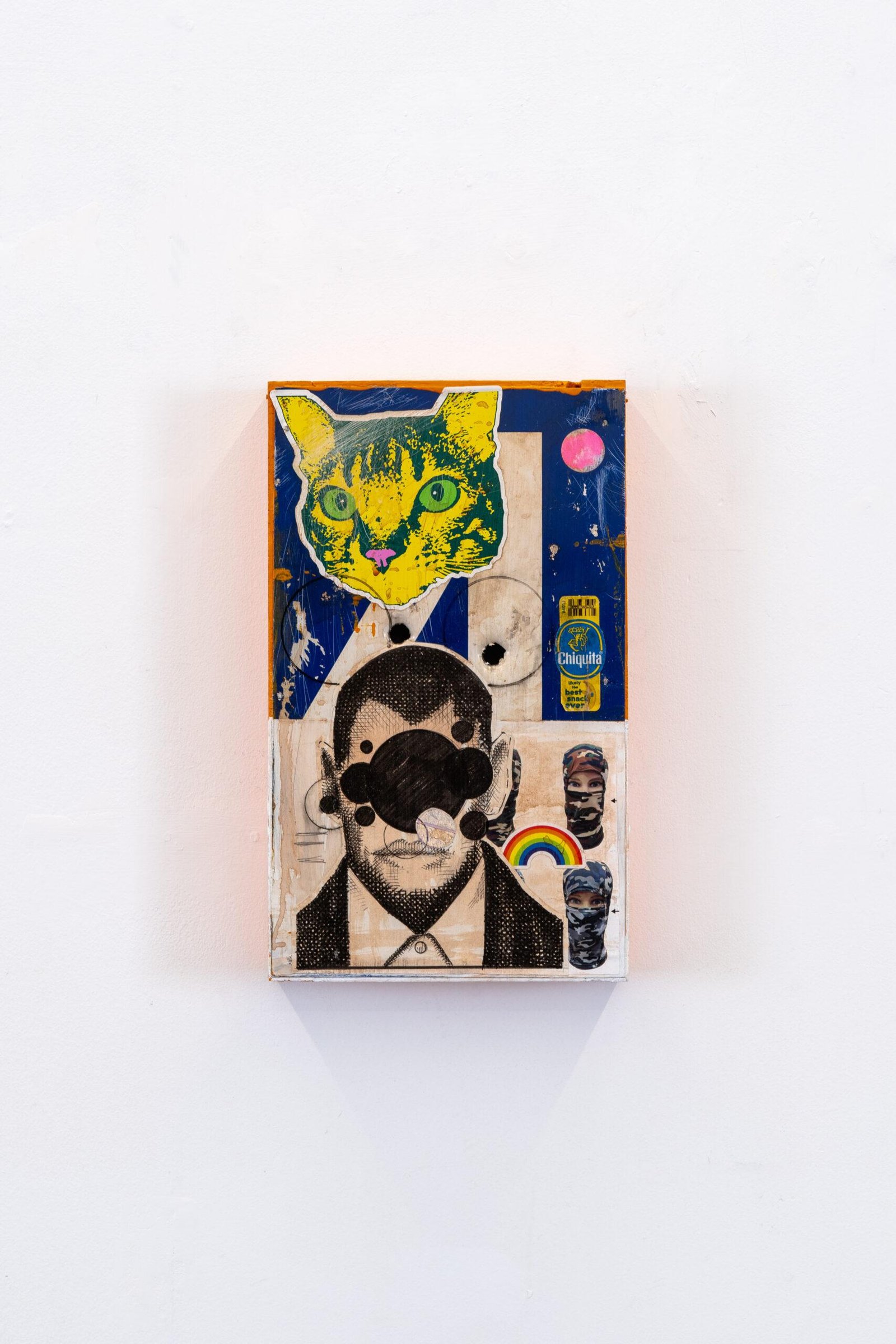
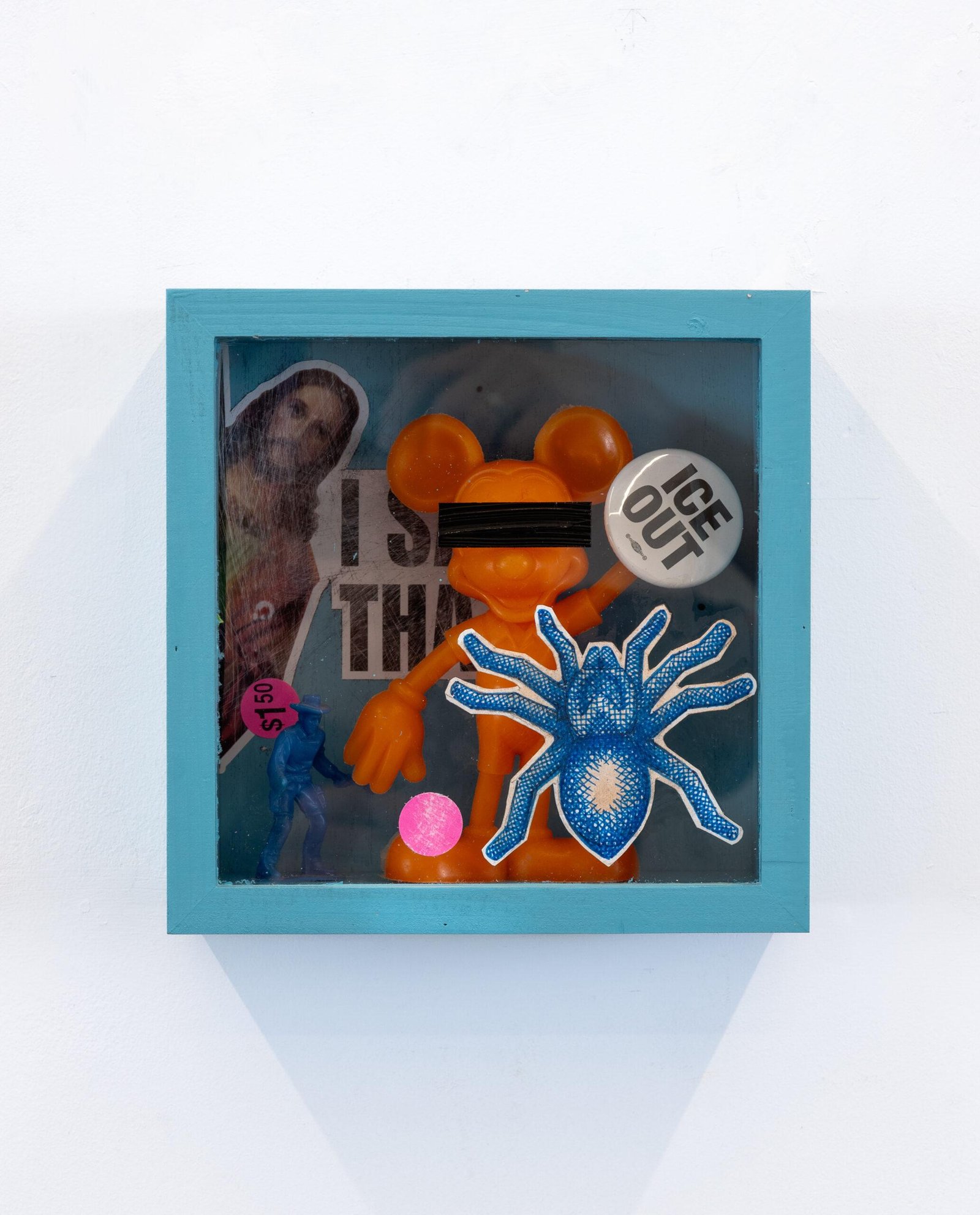
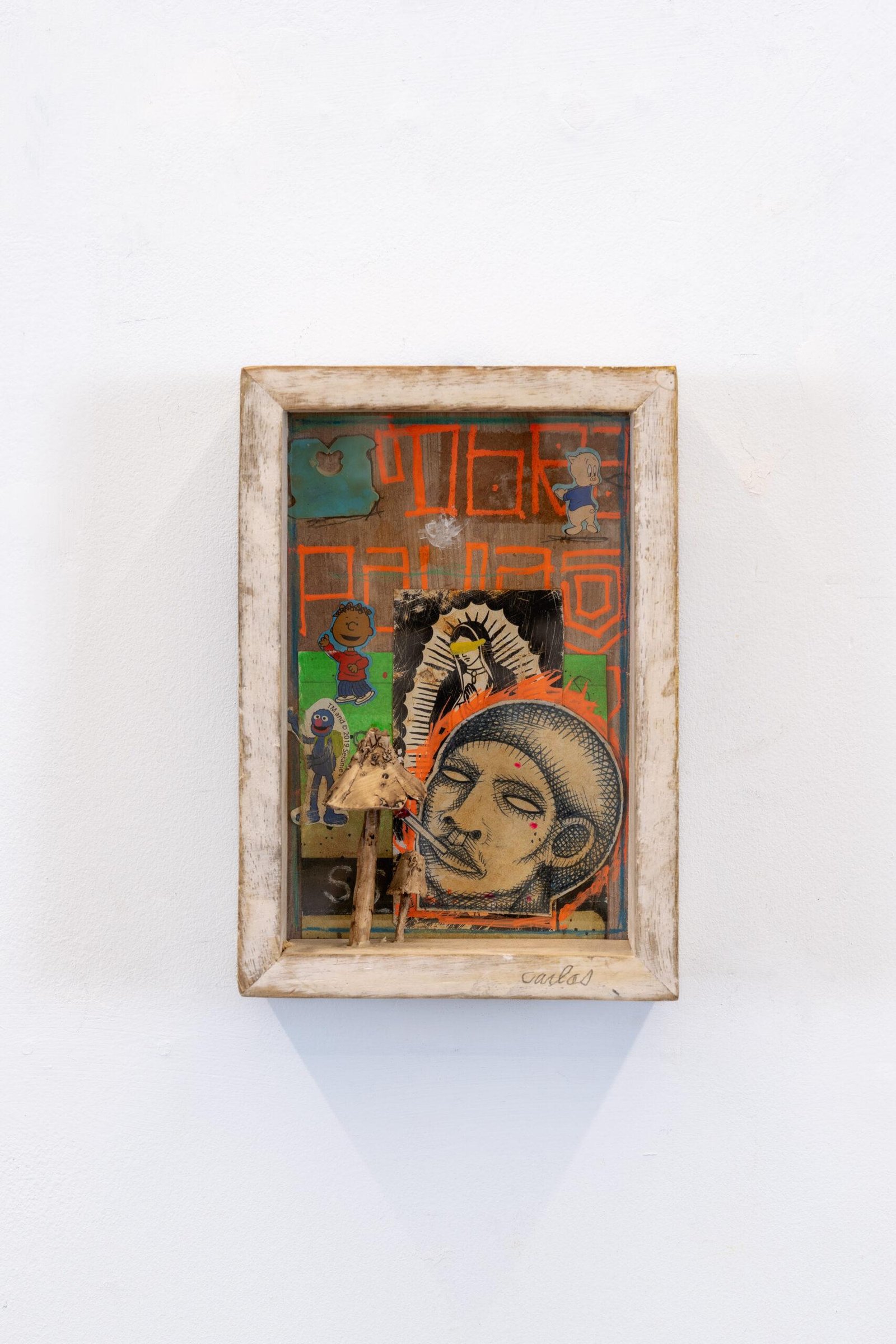
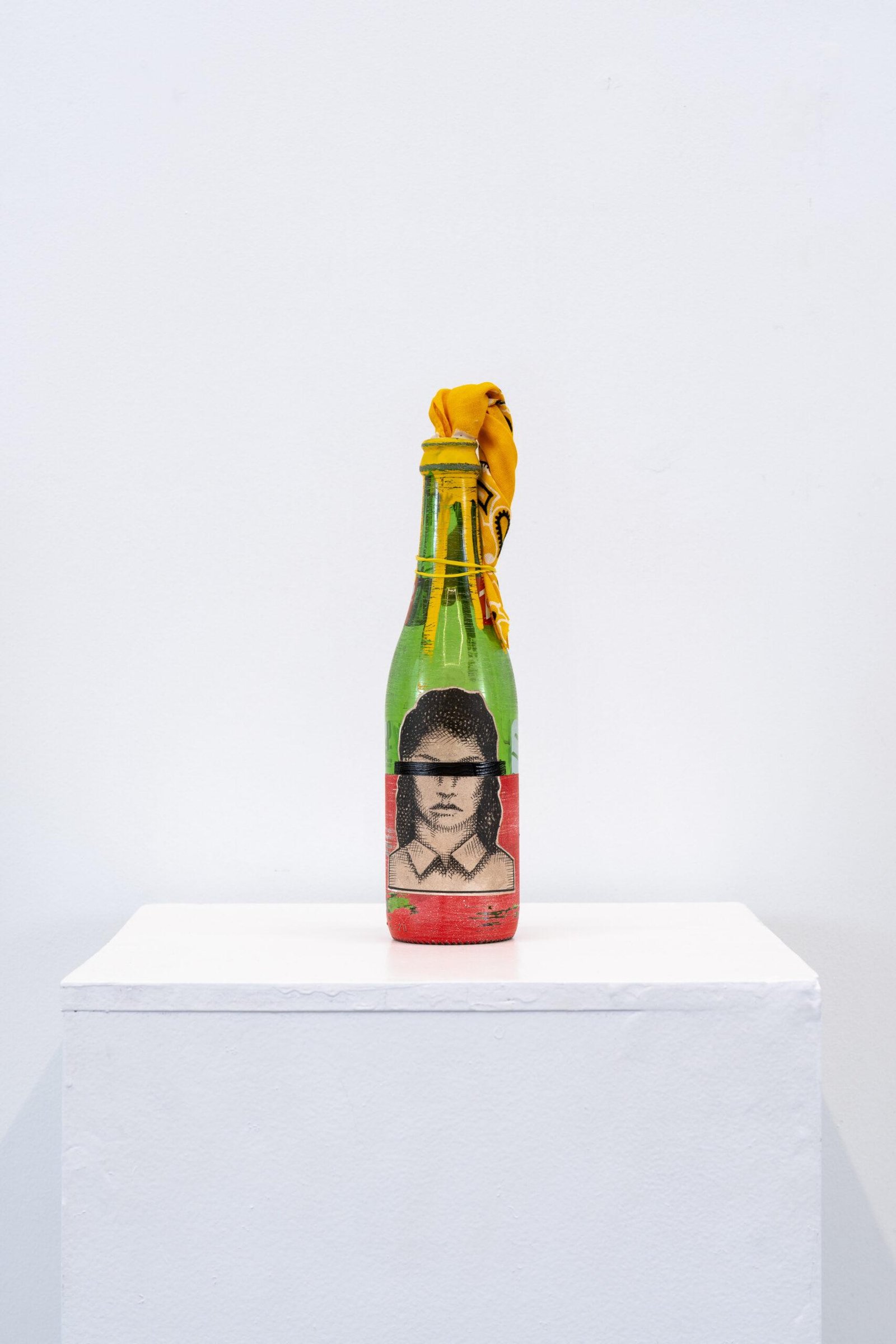
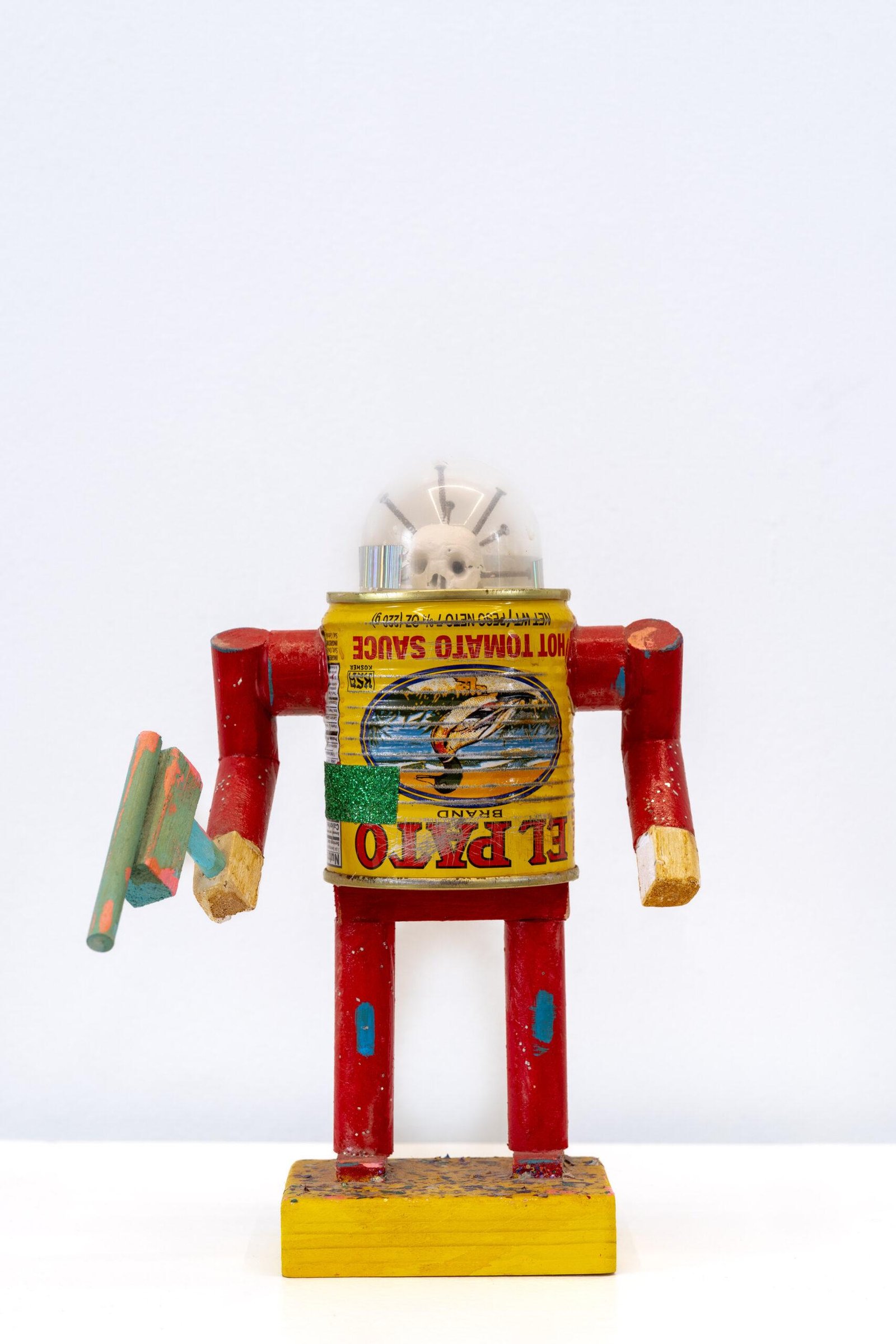
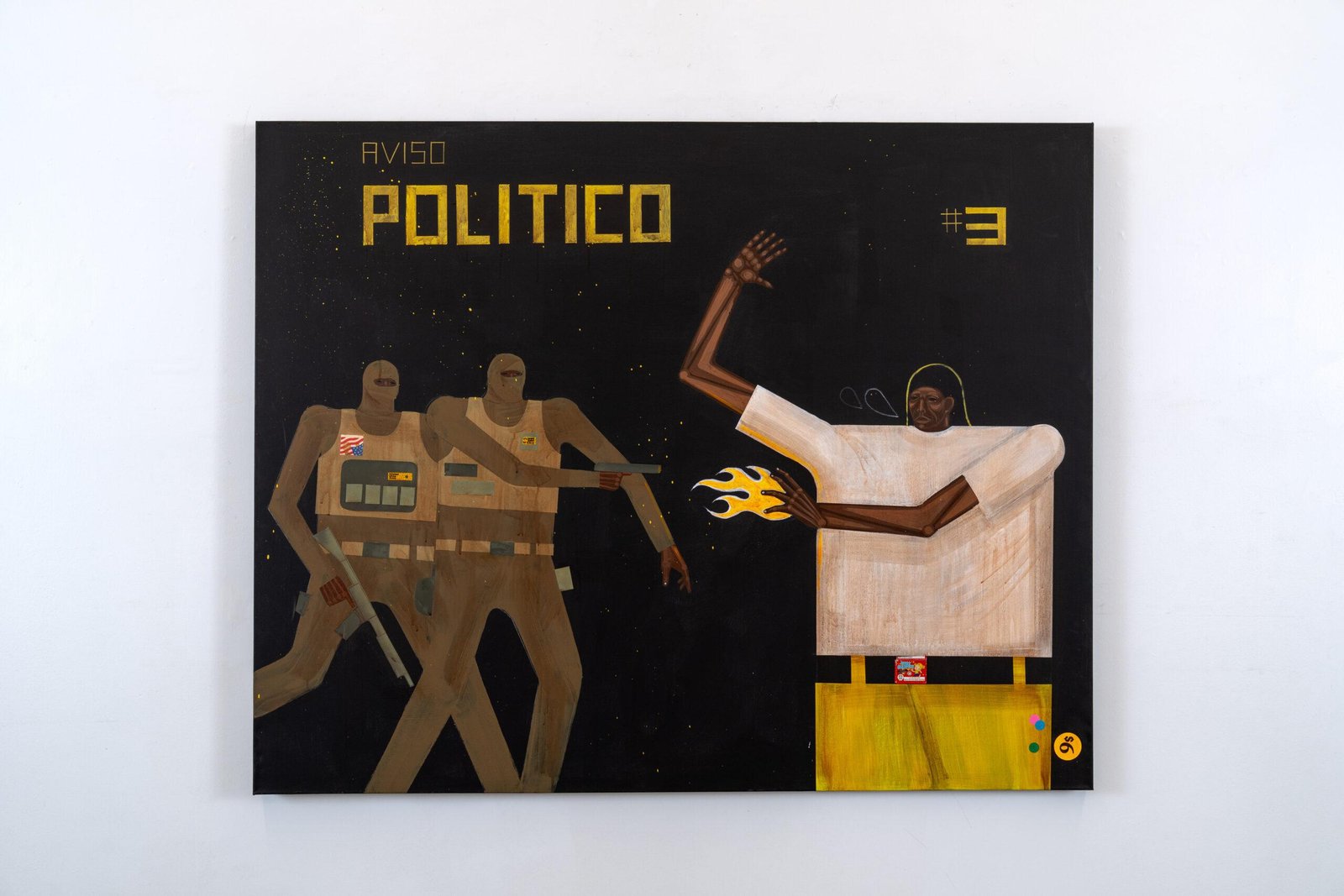
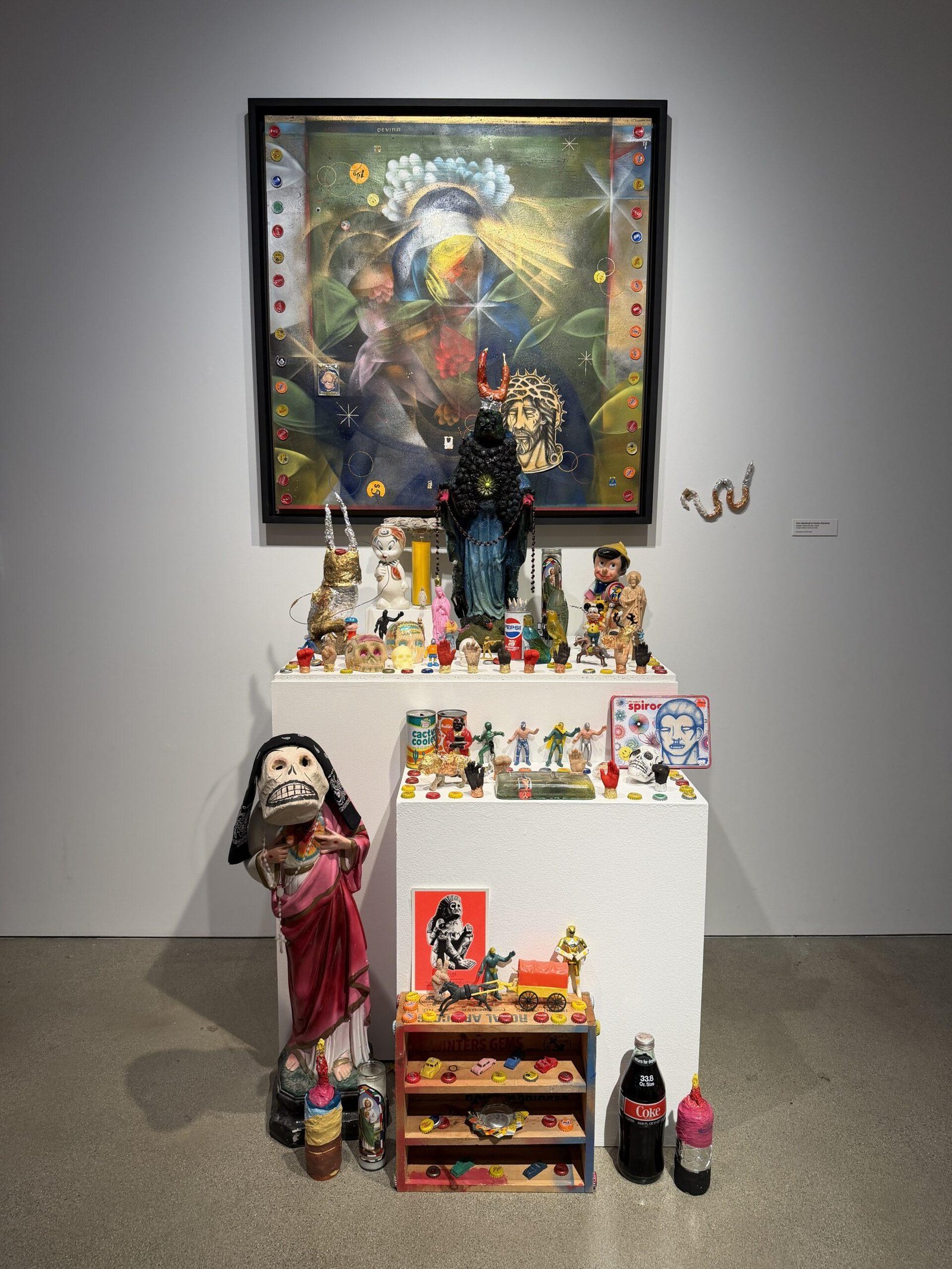
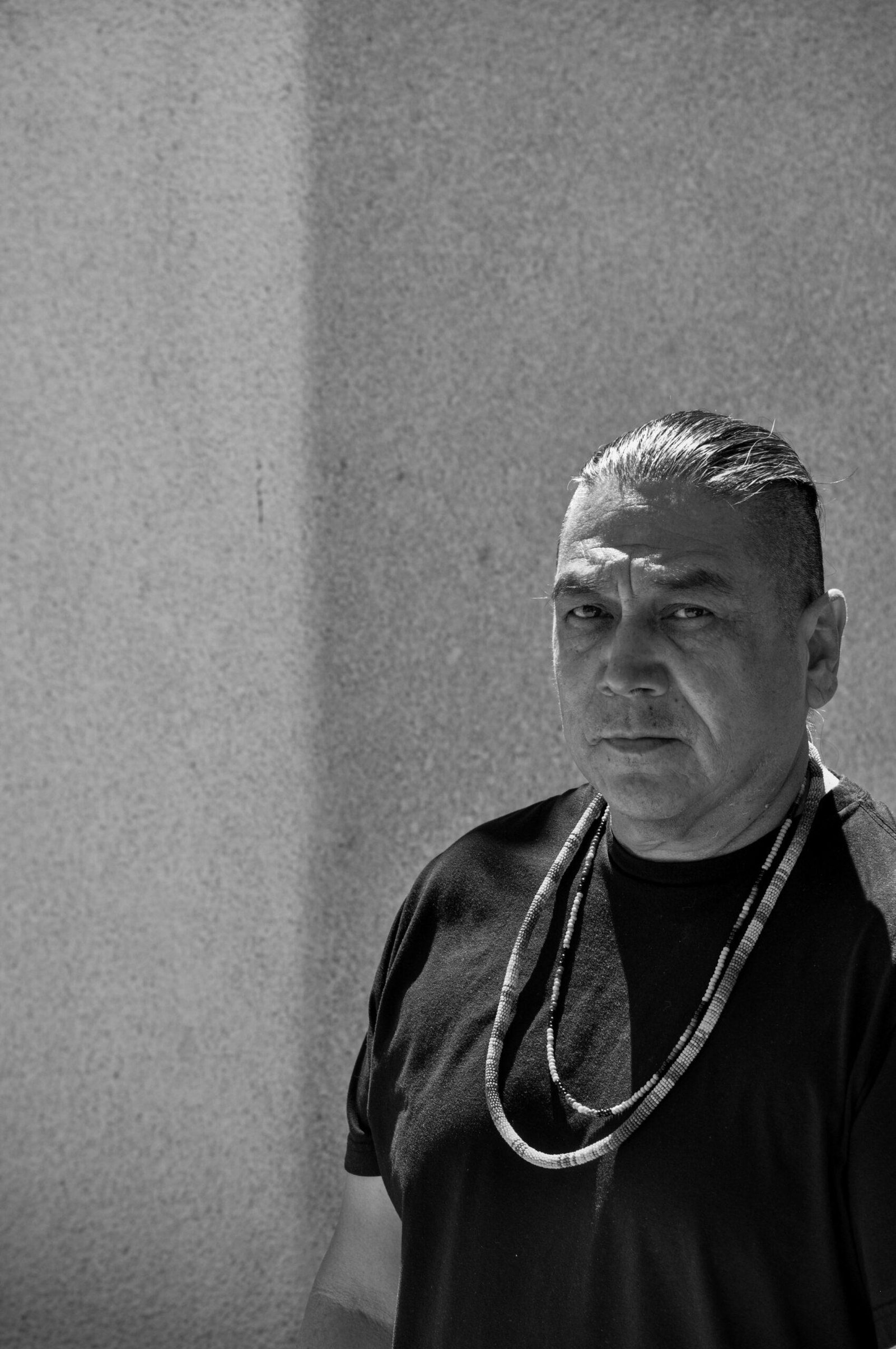
4. The Date Farmers developed a recognizable visual language combining Mexican-American culture, street aesthetics, commercial imagery, and political commentary. Did that language evolve organically or was it intentional?
I think the only intentional aspect of the visual language we developed, or of our approach, was avoiding most traditional methods and so-called rules initially. We colored outside the lines, so to speak. For the most part, however, everything happened organically. We were always open to an external force and allowed it to dictate the ultimate message or visual and conceptual outcome. Whether it was a person, an object, or a situation, we never took the process too seriously.
5. Do you feel that audiences sometimes continue to see you through the identity of The Date Farmers, or have you successfully established a distinct identity as Carlos Ramirez?
Being part of The Date Farmers is part of my history and creative legacy. I think some people will always continue to see me through that identity, but I continue to develop, redefine, and build upon that same legacy.
6. Since you began working independently in 2017, what have you discovered about yourself artistically that perhaps wasn't possible within a collaboration setting?
Although not too much has changed, I would say the biggest difference is the personal direction I'm able to steer, as well as the creative process and overall subject matter.
7. Your work often combines seemingly unrelated elements: religious iconography, commercial logos, desert creatures, popular culture, and found objects. Do these elements have predetermined meanings, or do their relationships emerge during the creative process?
A lot of the iconography and imagery in my work can be totally random and, at times, have no absolute meaning. Some things emerge during the creative process or simply because they feel aesthetically fitting in the moment. But usually, most of the objects and imagery have a predetermined symbolic meaning. The tarantulas are a great example of that. They've always reminded me of the arduous, unforgiving treks through the scorching Southern California deserts that many immigrants have taken.
8. You frequently incorporate discarded materials and everyday objects. Is there something particularly appealing to you about giving a second life to things that society has already dismissed?
With today's mass consumption, constant corporate coddling, advertising, and the detrimental impact all of this has on the environment, I definitely find appeal in giving discarded objects, which are found in such abundance everywhere, a new purpose and visual value. In a sense, I'm giving society its own trash back.
9. There is often humor and playfulness in your imagery, even when the underlying subject matter touches on inequality, identity, or social struggle. Is humor a deliberate way of making difficult subjects more approachable?
It can actually have a dual or multiple meaning at times, but I think humor is also a reflection and a perfect illustration of actual life, and how it can sometimes be humorous and tragic at the same time. I also think it's definitely a coping mechanism for some people.
10. Your work champions the underdog. Is that an artistic philosophy, a reflection of your upbringing, or something more personal?
Growing up in the midst of a civil rights movement, watching my parents, aunts, and uncles protest and fight for the simplest, most basic, and fair working conditions—and definitely experiencing what it meant to be in the underdog position—I think all of this set the tone and philosophical direction for my work. It was absolutely personal.
11. How important is it that viewers understand the cultural and political references embedded in your work, and are you comfortable with someone interpreting a piece in a completely different way than you intended?
I would like to think of my work as a perfect illustration of the times, conveying the intended message to the viewer, whatever the subject matter may be, and as an important component of a much larger picture. But I've realized that once the work leaves my hands and my creative realm, it takes on a journey and a life of its own, meaning different things to different people.
12. As a Mexican-American artist, how do you navigate the space between two cultures? Do you see your work as a reflection of that dual identity, or have you moved beyond the need to define it?
As a Mexican-American artist, it seems that the definition becomes a fixed point of reference, almost automatic and simply a given.
13. How do you feel about the commercialization of street art? Has the art world's embrace of graffiti and urban aesthetics helped legitimize the movement, or has something been lost along the way?
Like with most art forms, there are always different aspects, disciplines, and audiences, depending on your definition of where something begins or stops being art, etc. The opinion is subjective. If anything, I think it's broadened. I know some hardcore motherfuckers who refuse to embrace gallery settings, and others who have fully embraced them.
14. Do you believe an artist needs to struggle in order to create meaningful work, or is that romantic notion something we should finally abandon?
The term "struggling artist" is, I believe, an old social archetype and mostly a myth, but definitely a romantic notion, especially in today's day and age. I'm all for abandoning it. Some of the greatest art has come from the most unpredictable times, places, and people, struggling or not. Art can and should come from anywhere.
15. If you were suddenly unable to make visual art, what other creative pursuit do you think might take its place?
Probably some type of spoken word, where I would describe what my work looked like. LOL!
16. What is more important to you: making work that people immediately connect with or work that challenges them, even if they initially reject it?
Ultimately, I think the most important thing is making art that makes people forget it's art and stirs up either an immediate connection or an initial rejection—but nothing in between. That's a scary place for me to be.
17. Has success changed the way you look at your work, or do you still approach the studio with the same curiosity and uncertainty you had when you began?
I strongly believe that if I ever stop being curious or no longer experience that uncertainty, that will be the day I have no more business making art.
18. What is something about the art world that you find amusing, frustrating, or completely absurd?
I find it frustrating as fuck when people sell false hopes and promises to up-and-coming artists through money-harvesting fees and schemes, or when people think artists are desperate for exposure and should give their work away in exchange for it. Try buying groceries with exposure.
