
1. Where do you live and work?
I currently live and work in Antwerp, close to the Central Station. It is a city with a rich fashion history and a strong creative energy, but it is also very practical in terms of connectivity. Being located near the station allows me to travel easily between Antwerp, Paris, Milan, and other cities that are important to my work. Although Antwerp is my base today, I have spent significant periods of the last ten years living and working abroad, particularly in Milan, Oslo, and Amsterdam.
2. How would you describe Mattia Van Severen?
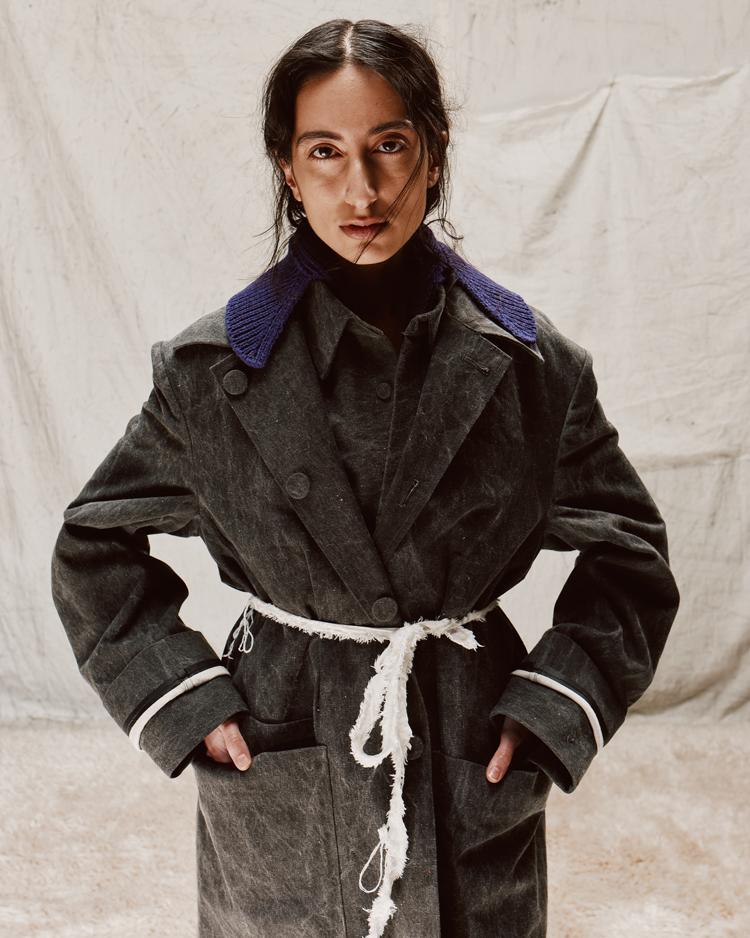
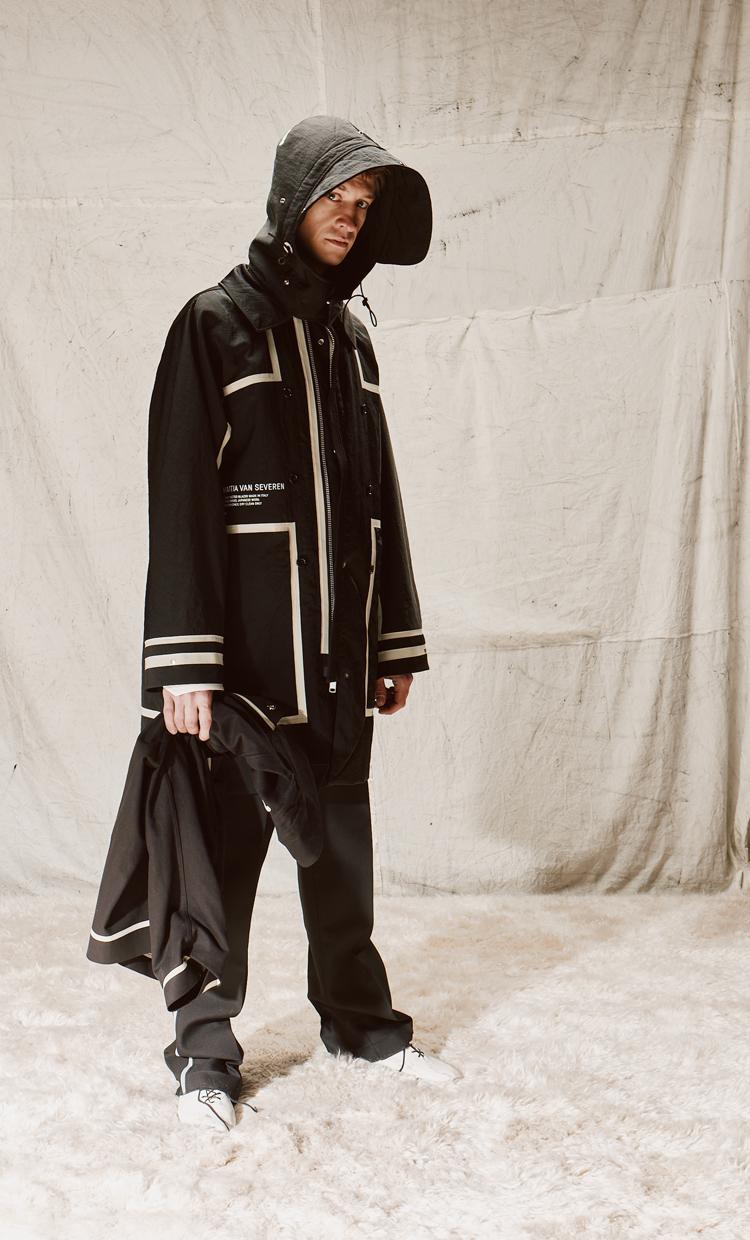
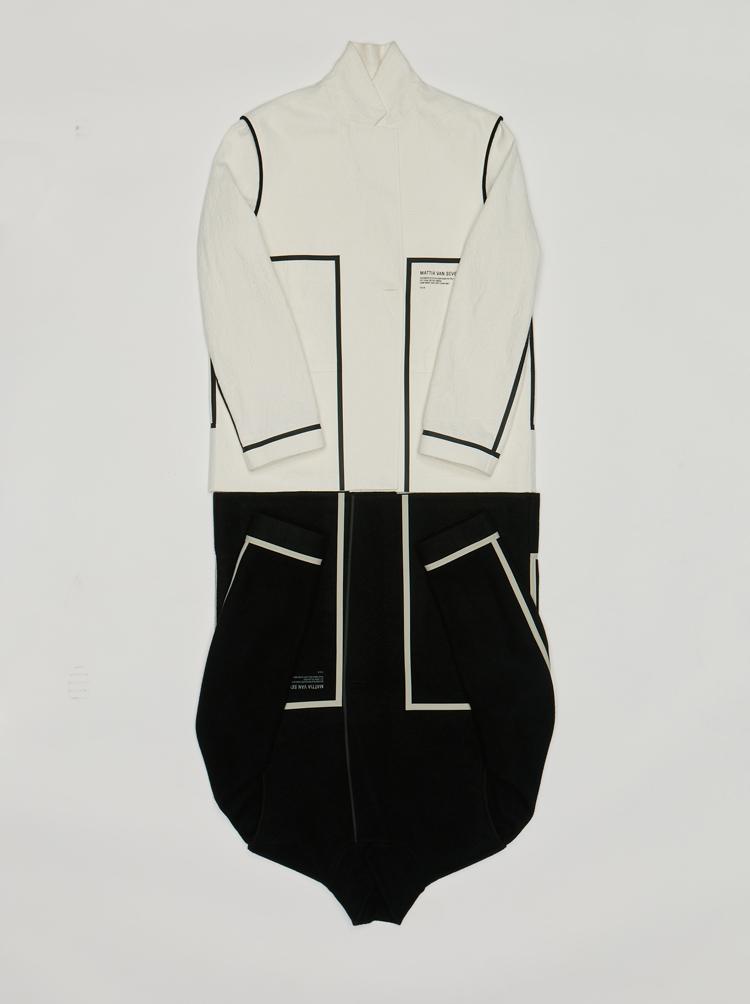
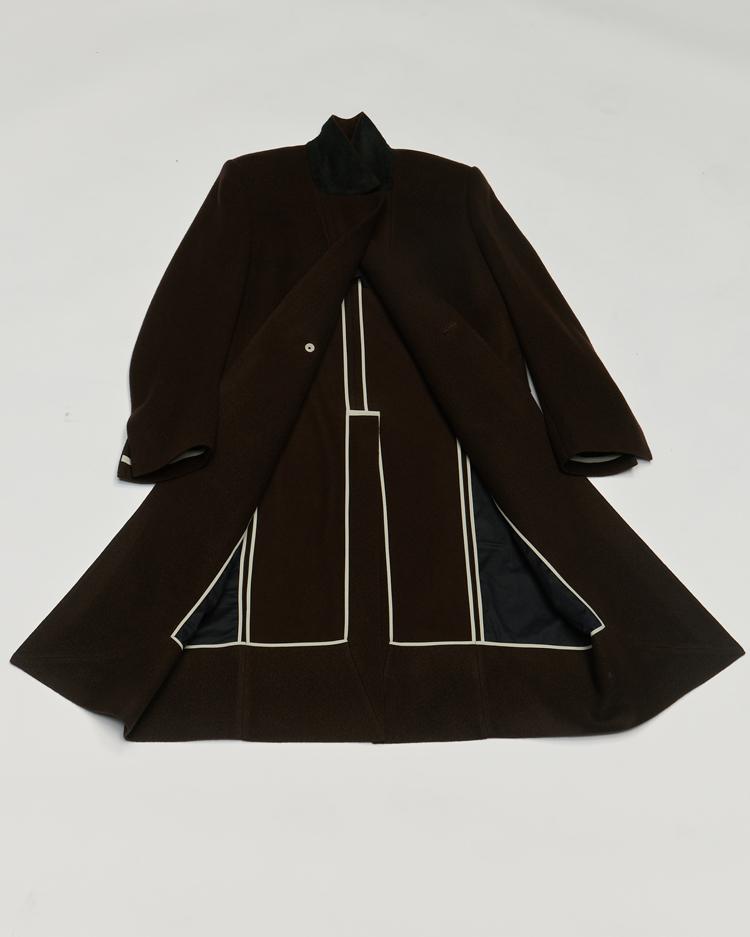
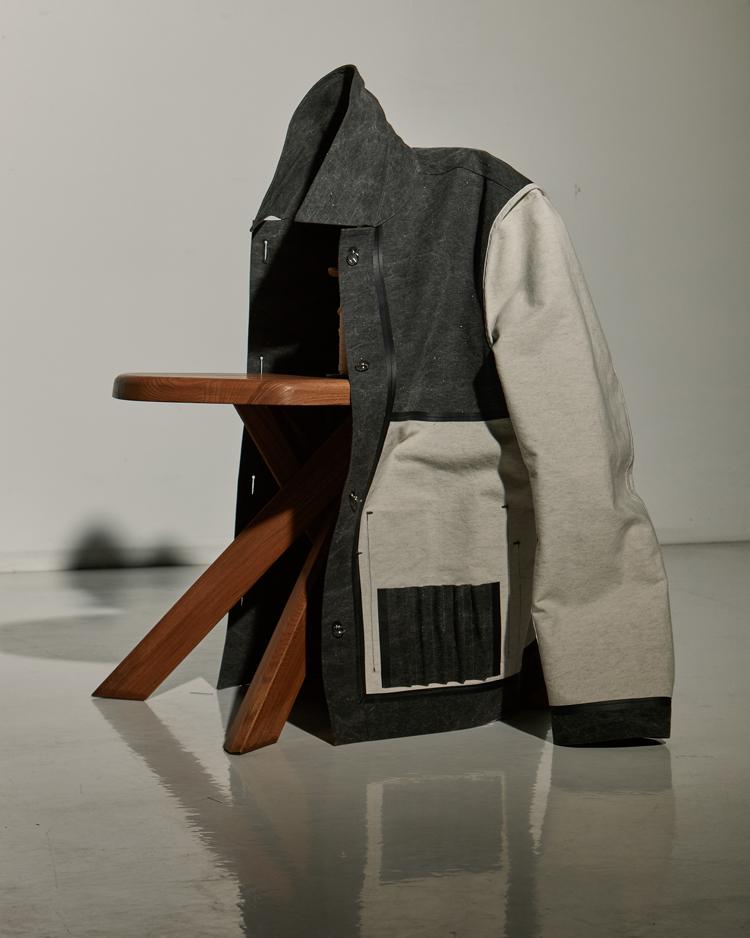
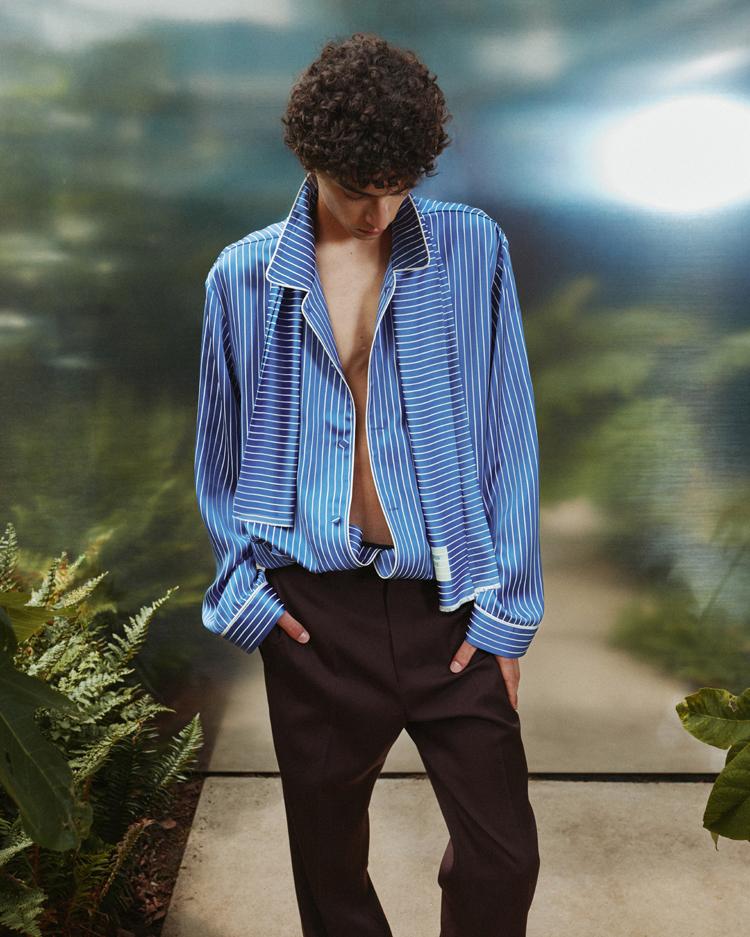
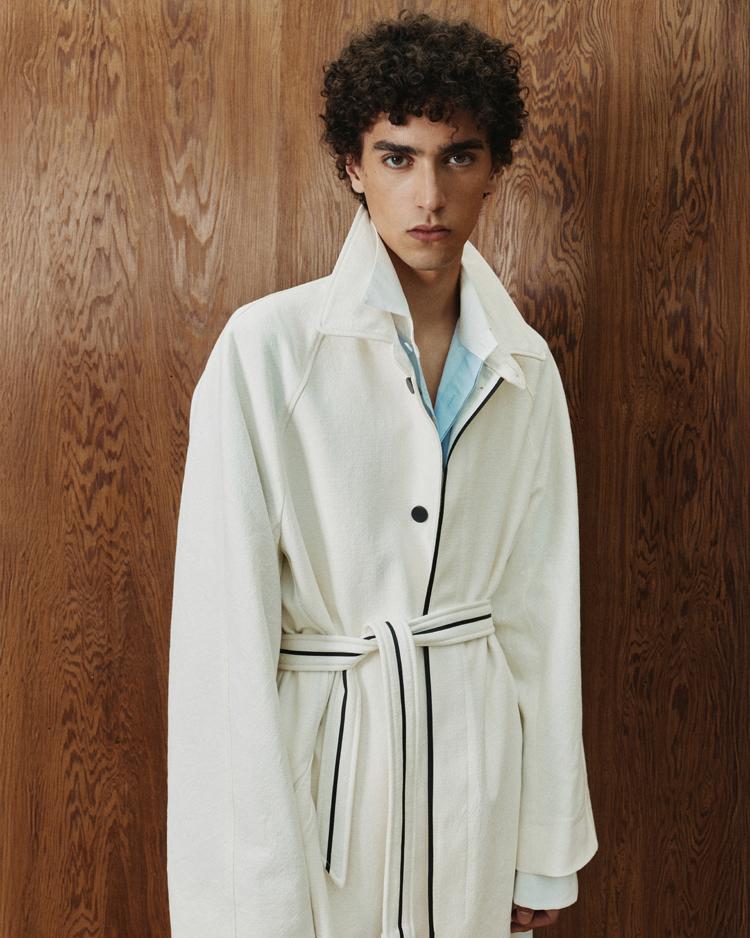
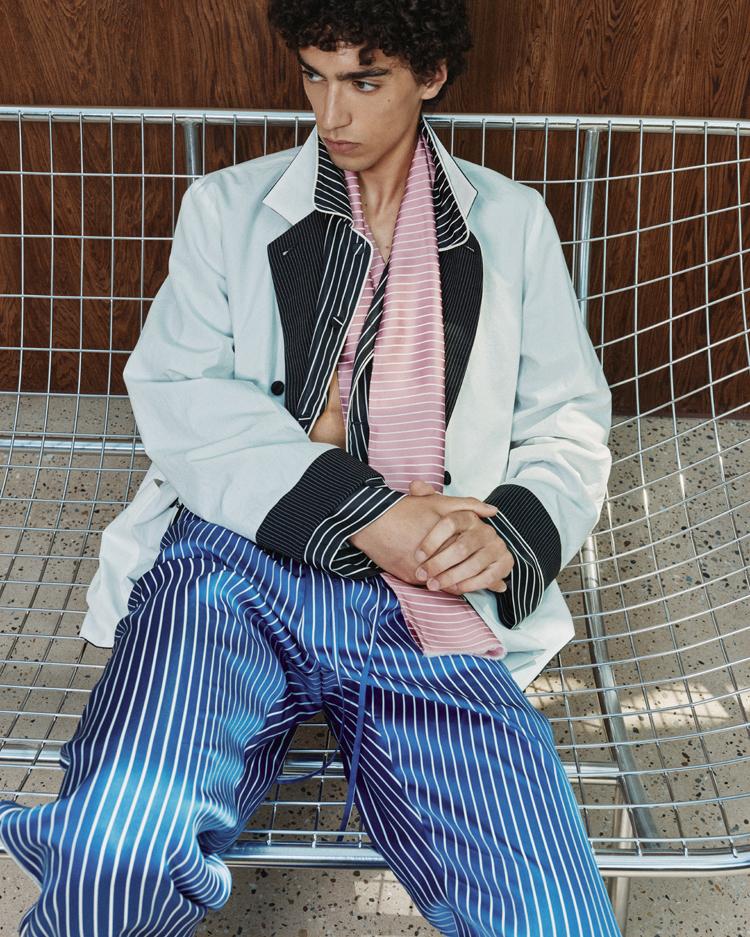
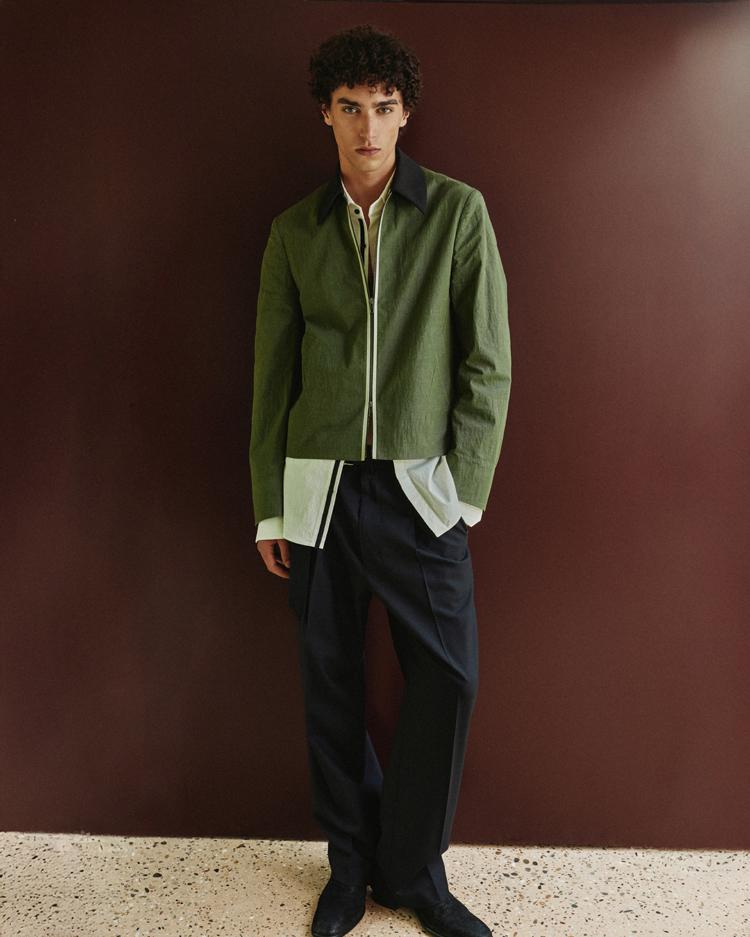
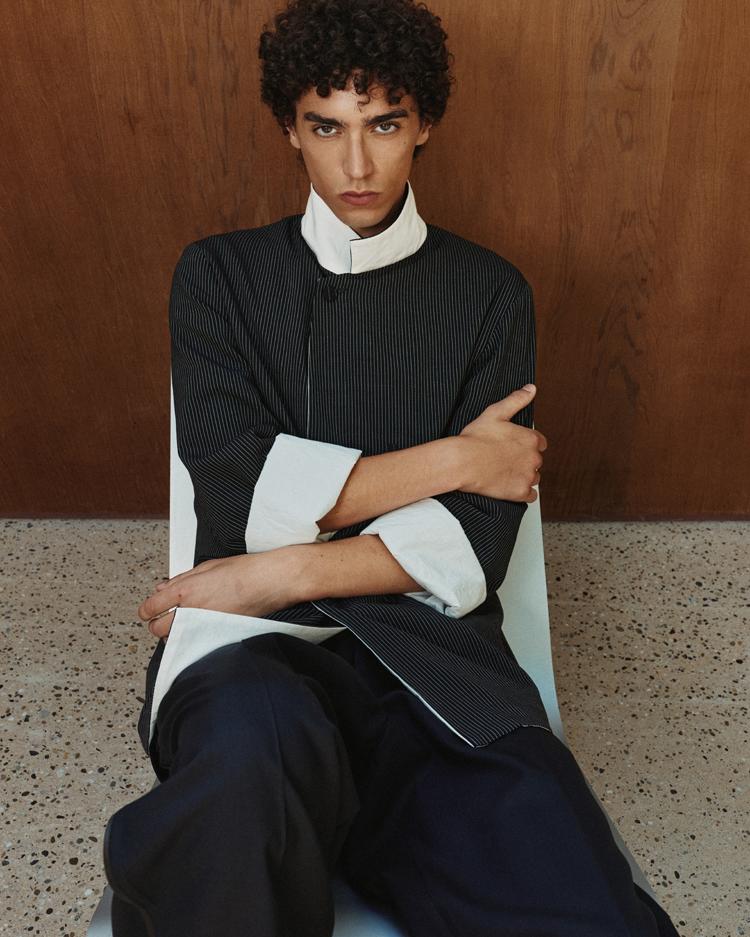
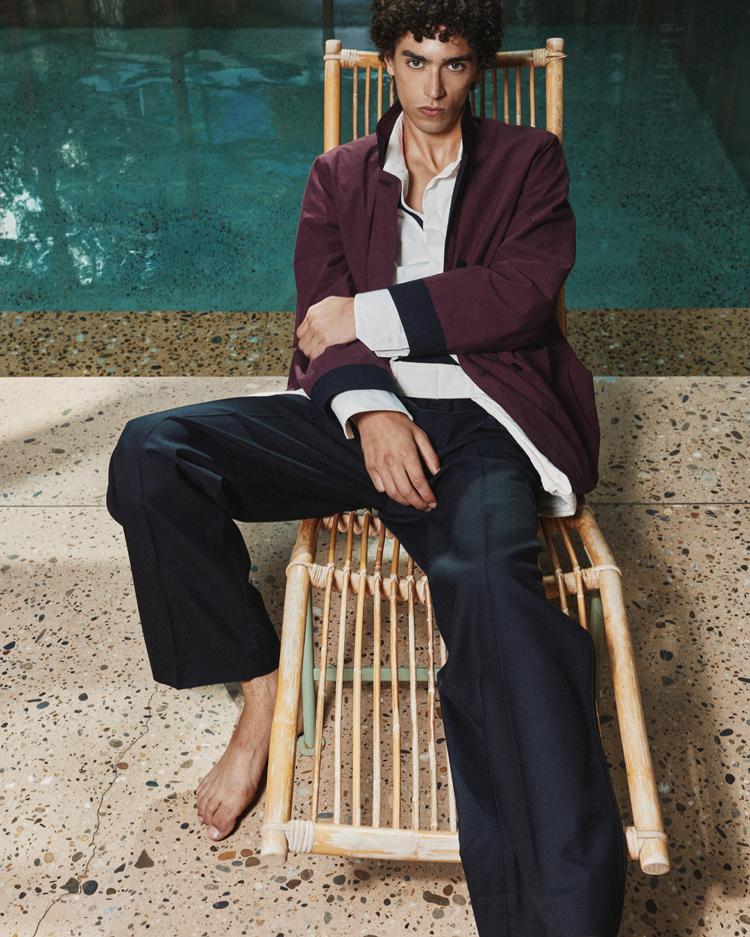
Mattia Van Severen is a menswear brand focused on rethinking how garments are constructed. Instead of relying solely on traditional stitching, I explore taped seams and bonded finishing techniques as an alternative way of building clothing. The collections revolve around outerwear and garments that balance innovation with functionality. At its core, the brand is about creating a contemporary wardrobe for makers—people who appreciate thoughtful design, craftsmanship, and clothes that are meant to be worn every day.
3. What first attracted you to fashion as a form of expression rather than other creative disciplines?
Fashion is the only creative discipline that allows you to build an entire world around a product. Of course, other disciplines can do this as well, but in fashion the possibilities feel more complete and interconnected. A strong fashion brand exists at the intersection of clothing, photography, storytelling, graphic design, music, architecture, and art. What fascinated me was not only the garment-making itself, but also the ability to create a complete universe around it and communicate an idea through many different mediums simultaneously. In addition, it provides an opportunity to collaborate with people from different fields and get to know them.
4. Before attending the Royal Academy of Fine Arts in Antwerp, what did you imagine a career in fashion would look like, and has it changed?
Before attending the Academy, I thought fashion was mainly about designing clothes. I imagined spending most of my time sketching, developing silhouettes, and creating collections. Building my own brand made me realize that design is only a small part of the equation. Design might represent ten percent of the work; the other ninety percent involves building relationships, production, logistics, communication, sales, PR, financing, and long-term strategy. In many ways, creating a fashion brand feels as much like building a company as it does designing clothing. Understanding that has given me even more respect for independent designers who manage to do both successfully.
5. In an environment known for producing strong individual voices, how did you protect your own identity from outside influences?
Surprisingly, that was one of the easier parts. The Academy strongly encourages students to develop a personal point of view and quickly challenges anything that feels inauthentic or disconnected from their identity. Whenever your work lacked conviction or integrity, the tutors would question it immediately and push you to be more intentional.
On top of that, the workload was extremely demanding, which naturally pushed me into a kind of productive isolation. Looking back, that environment gave me the space to focus on my own interests and gradually develop a clear design language rather than being distracted by trends or external expectations.
You also have to understand that I studied around 2010. Instagram did not exist yet, and Pinterest had only just launched. Research was a very different experience. You would spend hours in libraries looking through books, archives, magazines, and exhibitions, really taking the time to understand a subject. The pace was slower, and there were far fewer distractions. In some ways, staying focused was easier back then, which allowed you to develop ideas more deeply and independently.
6. Which project from your student years still feels significant to you today?
Conceptually, my graduation collection remains the most significant project. It was built around the idea that a single graphic intervention could define an entire collection. I was fascinated by the economy of means—the idea of taking a very limited set of ingredients and exploring how far you can push them. Rather than constantly adding new elements, the project focused on extracting as much potential as possible from one idea. That way of thinking still influences my work today.
7. What concerns you most about the current fashion industry?
The sheer volume of clothing being produced every season concerns me the most. Collections have become increasingly large, while the market is already saturated with product. There is constant pressure to offer more styles, more drops, and more newness. I believe that if brands produced less, consumers would naturally buy less and make more considered purchases. For me, the future of fashion is not necessarily about creating more products, but about creating better ones with a clearer reason to exist.
Before starting my own brand, I spent more than ten years working in design studios for other fashion companies. Not every brand operates in the same way, of course, but I have experienced some very traditional studio environments. What always fascinated me was the contrast between the industry's obsession with innovation and newness and the reality inside many studios. Very often, the pressure to constantly create something new leaves little room to fully explore or refine existing ideas.
There can be a contradiction between a system that celebrates innovation and a development process that is often driven by speed, volume, and seasonal deadlines. Having experienced that from the inside, I became increasingly interested in the idea of doing more with less: building smaller, more focused collections and pushing a concept or construction technique further rather than continuously adding new products.
8. How do you navigate the pressure to create work that is both commercially viable and personally meaningful?
I am not sure there is a golden rule for what makes a product commercially successful. Throughout my career, I have seen supposedly "commercial" products fail, while more unexpected pieces became bestsellers. I have designed expensive sweatpants that sold out almost immediately, while basic shirts remained on the racks. Even in my own first collection, some of the more elaborate and concept-driven pieces performed better than the styles that seemed commercially obvious at first glance.
I believe people respond to products that feel genuine and intentional. If a garment has a clear reason to exist and offers something that is not already out there, it stands a much better chance of connecting with people. For me, personal meaning and commercial relevance are not opposites. The most successful products are often the ones where those two things meet naturally.
9. How do social media and digital culture affect your creative process?
Social media gives us access to an endless visual archive. Every day, we are exposed to thousands of images, references, and ideas from all over the world. That can be incredibly inspiring, but it also comes with challenges. The speed at which trends emerge and disappear can make it difficult to maintain focus.
Personally, I use platforms like Instagram primarily as a visual research tool, but I try to be conscious of not letting the algorithm dictate my creative direction. Social media is most valuable when it expands your world rather than narrowing it.
At the same time, for an independent fashion brand, social media has become the primary communication tool. It is often the first place where people encounter your work and form an opinion about your brand. Finding the right tone of voice, both visually and through written communication, is therefore extremely important. It is not just about showing products; it is about building a coherent world around them.
The challenge is to communicate consistently without becoming predictable and to create content that reflects the values of the brand rather than simply following what the algorithm rewards.
10. How important is cultural history in your work?
Cultural history is important, although perhaps not always in a direct way. I am interested in understanding where certain garments, construction techniques, and visual languages originate. Fashion does not exist in isolation; it is connected to architecture, industry, art, and social change. Understanding those contexts helps create work that feels more grounded and intentional. At the same time, I am not interested in nostalgia. I prefer using history as a starting point for creating something contemporary.
11. Do you think you need to take certain risks at this stage of your career?
Absolutely. Building an independent fashion brand is, by definition, a continuous exercise in risk-taking. Every collection, production decision, PR or sales-related investment, and creative choice involves a degree of uncertainty. At this stage, taking calculated risks is essential because it is often the only way to develop a distinctive voice and create opportunities that would otherwise never emerge.
12. If someone encounters your work twenty years from now, what would you hope they understand about you?
I hope they would understand that I was trying to contribute something genuinely new to the conversation around clothing—not through novelty for the sake of novelty, but by questioning how garments are constructed and how they can be made differently.
