
1. Growing up in South Central LA, how have those childhood experiences shaped the anxieties and exuberance in your portraits of everyday people as heroic figures?
Leaving South Central Los Angeles in the 1990s and traveling to Russia as a child was incredibly important because it allowed me to see life beyond the American inner city. It allowed me to see young people of different languages and cultures trying to create. It also allowed me to experience museum culture in the most lavish way—one that only Russian czars could create. There is a way, a throughline, in my work that has to do with the epic, the operatic, and the exceptional. That, I believe, draws its direct lifeline back to those years.
2. Your portraits merge Old Master techniques with contemporary Black subjects. How do you maintain a balance between reverence and reinvention?
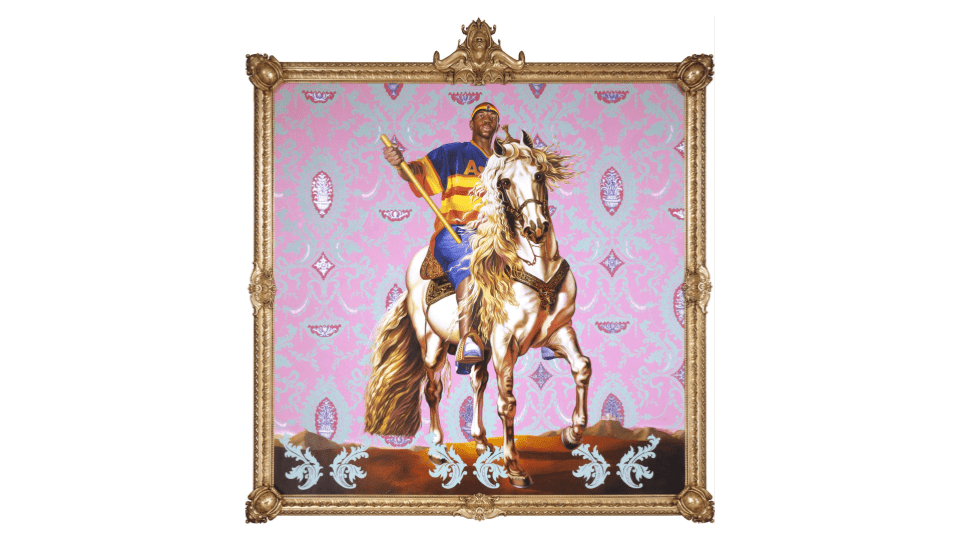
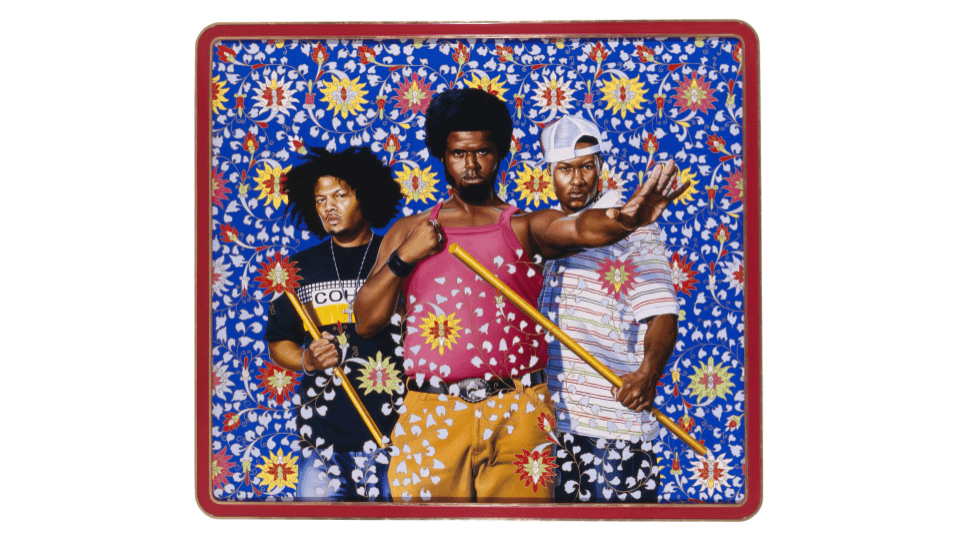
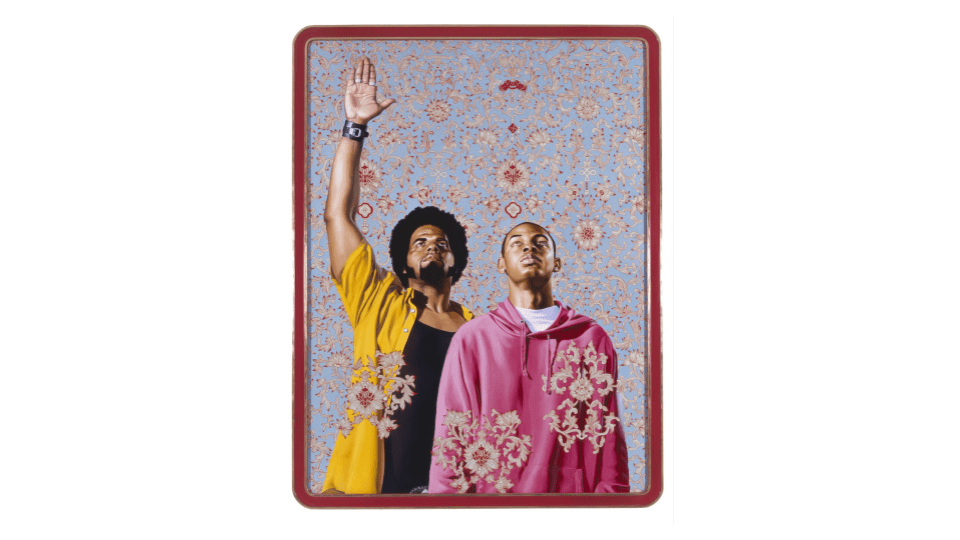
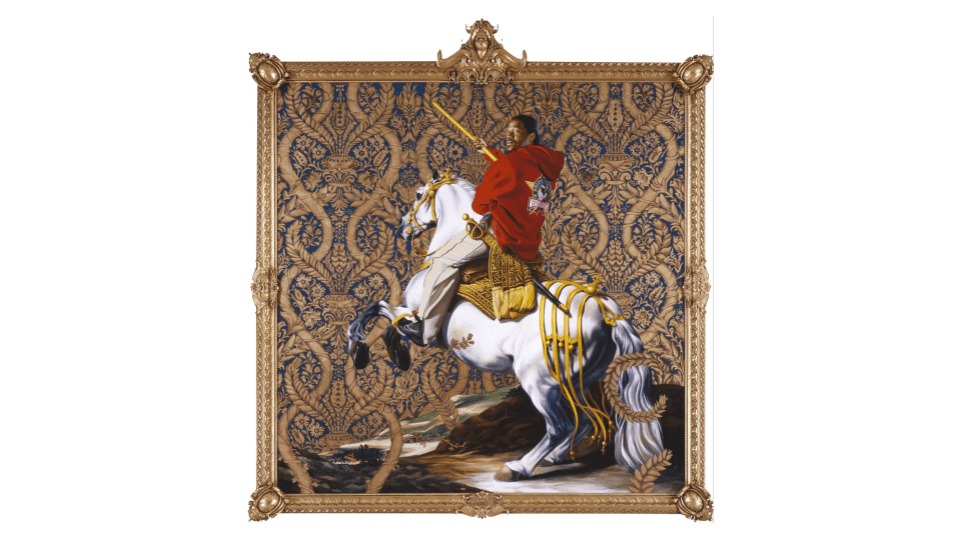
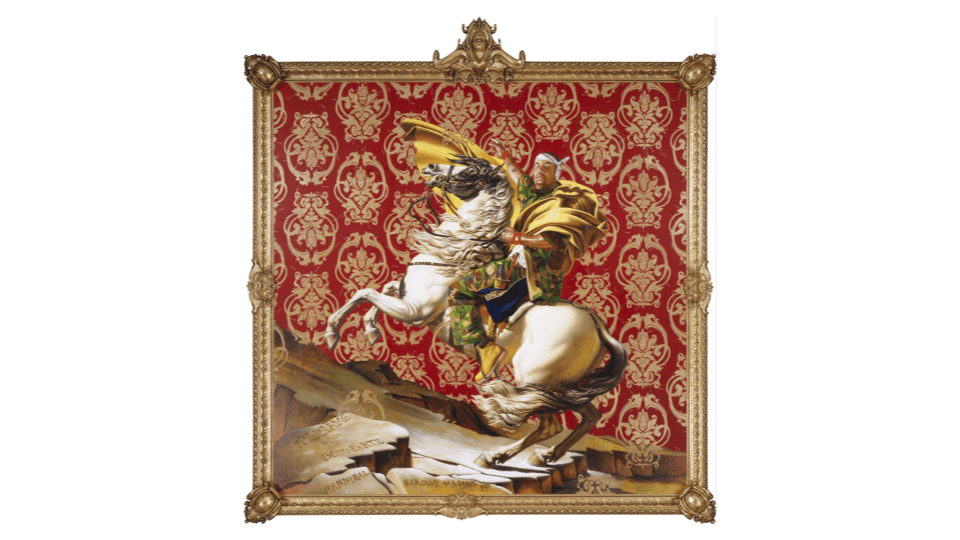
My appreciation of Western easel painting is both one of reverence and critique. I understand the fraught nature of art in its service to a global elite, starting first with the church and then evolving into a state crowd. Art has always been in the service of the powerful, and I create high-priced luxury goods for wealthy consumers. There is a very deep chasm between the twin desires that operate within my work and the work of others. That said, one has to create a balance between the realities of representation over the centuries and the dream of breaking that mold—using its rules and protocols to create new possibilities.
3. In your early work, you mentioned reverting to ornate, baroque features of Black American culture after encountering neo-minimalism at Yale. How has that tension between minimalism and ornamentation evolved in your recent landscapes?
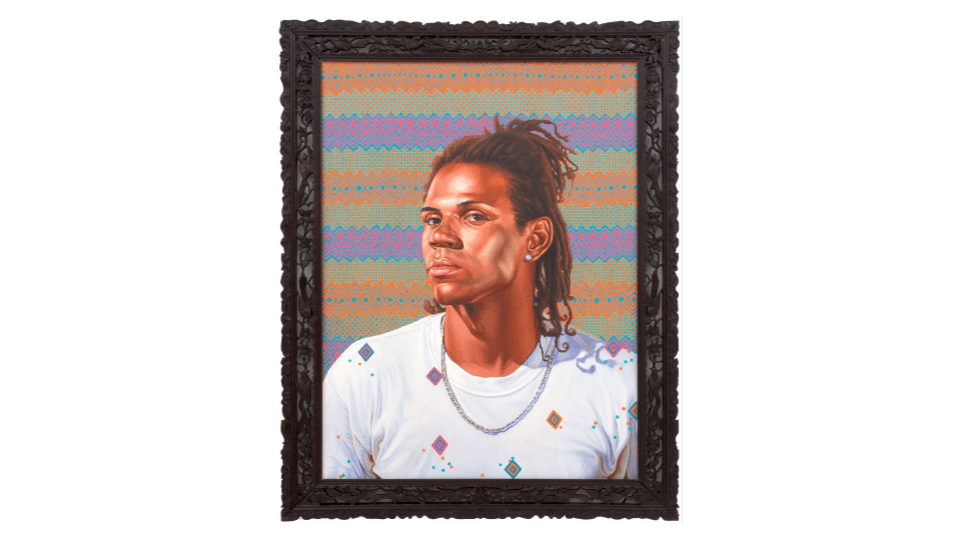
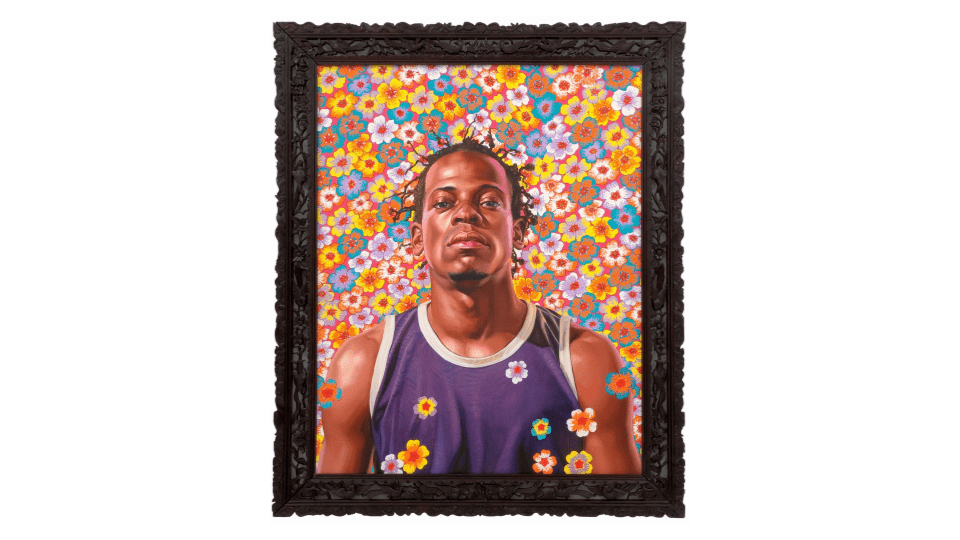
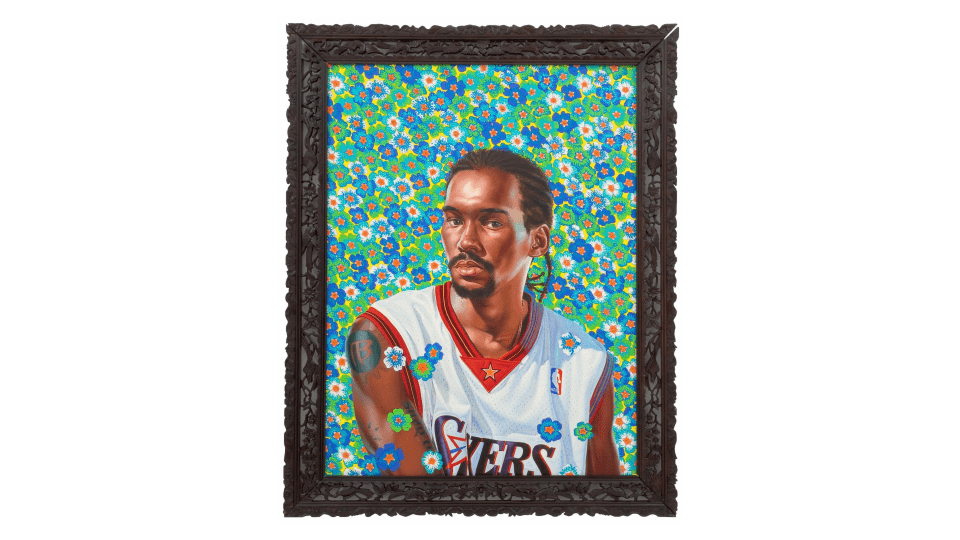
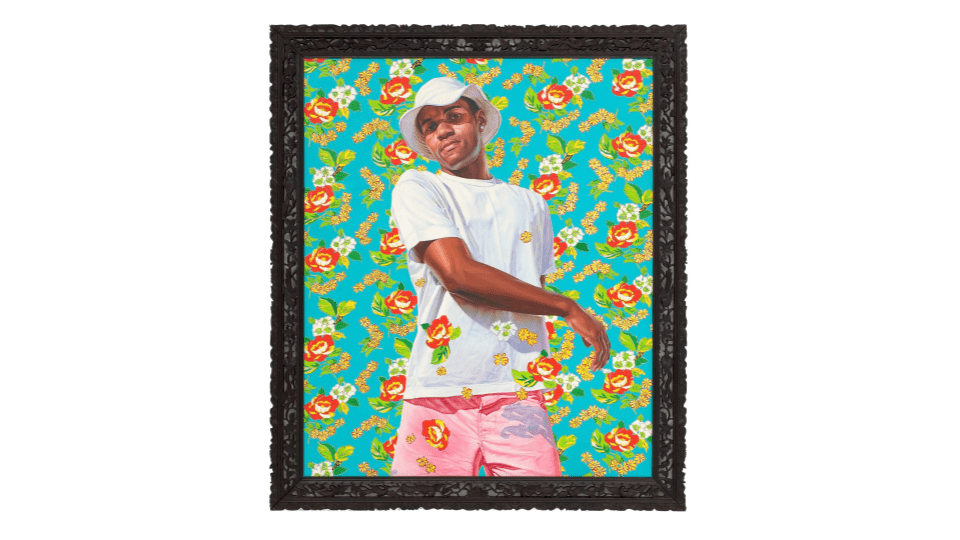
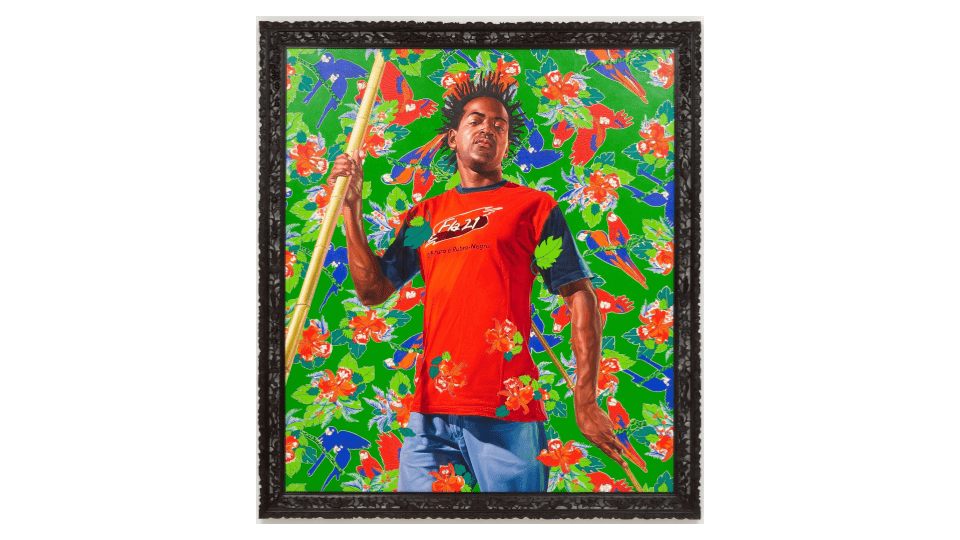
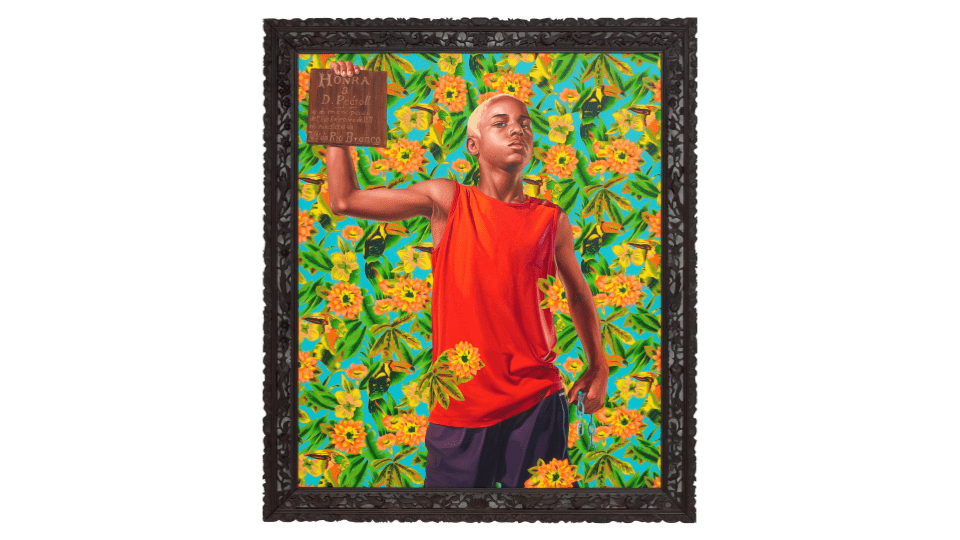
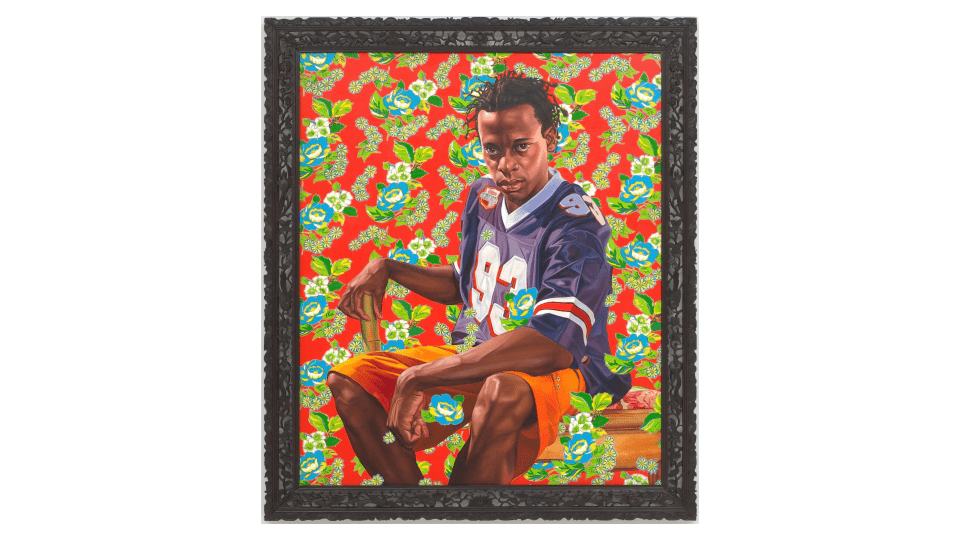
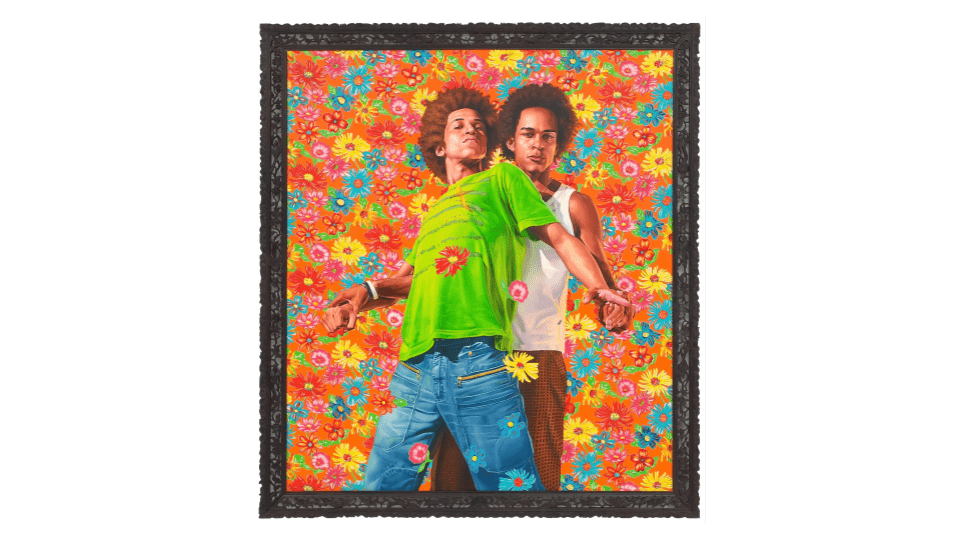
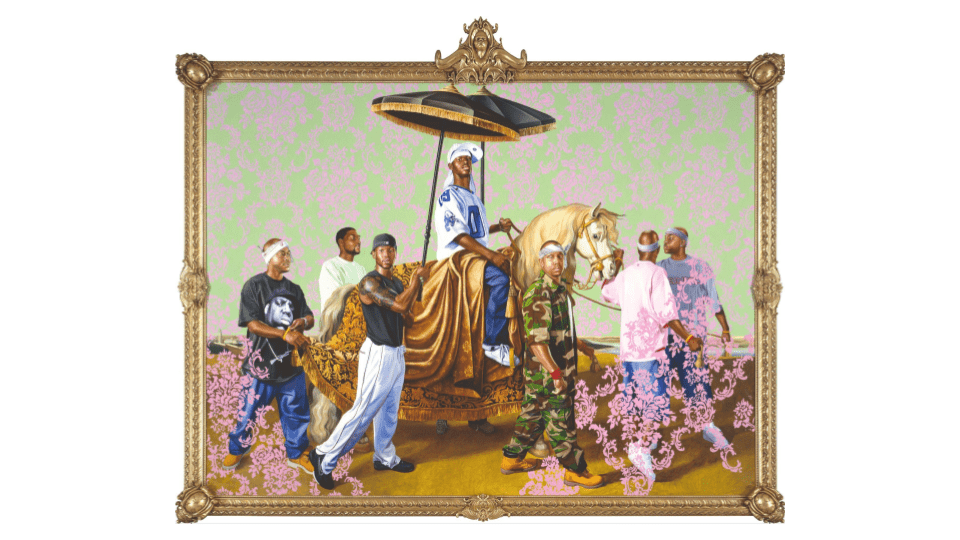
In the 20 years since Yale, the entire language of the decorative has changed. We’ve seen everything from art culture to advertising to fashion embrace the baroque as a clarion call. My groundbreaking work in embracing the decorative has allowed me to push past its merely surface allure and into the landscape itself. In many recent paintings, I fuse the landscape with the decorative, changing the nature of two-dimensional space. Foregrounds bleed into backgrounds, collapsing into a unique pictorial visual language.
4. How do global experiences—painting in different countries and communities—influence your understanding of identity?
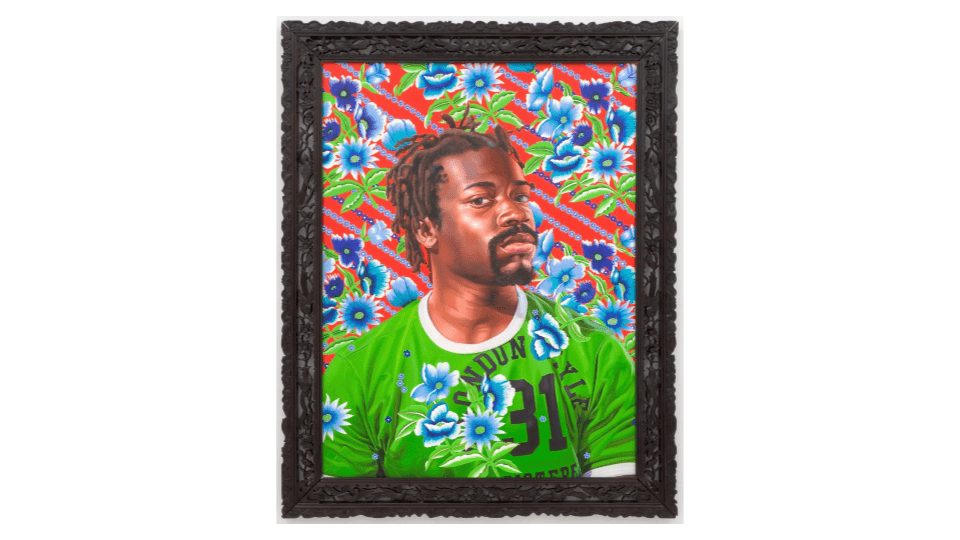
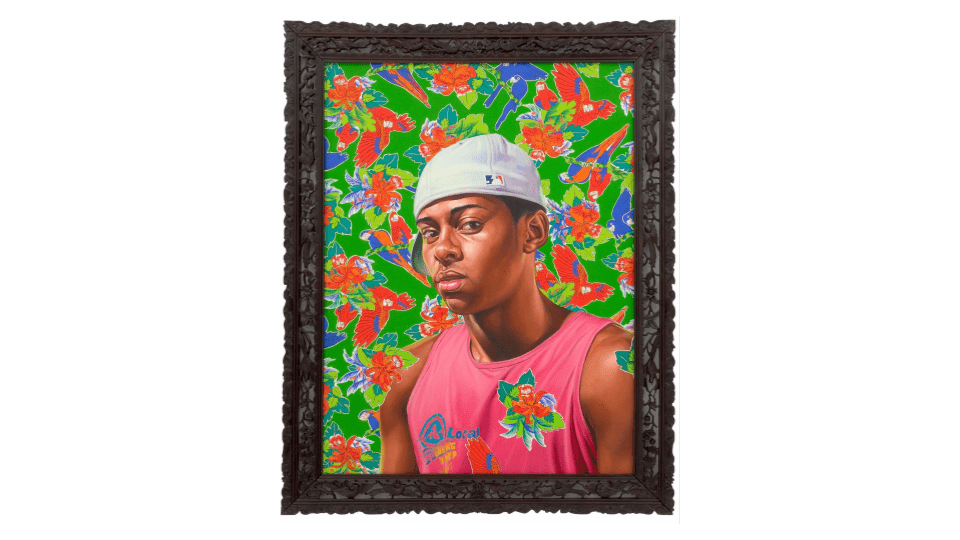
Each nation is received. I travel to each place with the same plan: to go into the streets, find individuals, and mine their decorative traditions and histories. Each location reveals the contours of a society I am completely new to, and I never quite know what to expect when arriving. It’s always an exciting moment to walk the tightrope between what you experience in the streets and what you produce in the studio.
5. When you think about legacy, what kind of emotional or intellectual mark do you want your work to leave?
All art is a hedge against time, whether it’s a bowl of fruit or a depiction of a bouquet of flowers. At its best, a painting is a moment of beauty that can be suspended and held still for as long as the material can survive. Portraiture functions for me in the same way, with the exception that it captures a person who is constantly changing over time. To that degree, one can’t depict the fullness of an individual, nor can there be a fixed way of interpreting a body of work. My hope is that my work remains relevant for all viewers, even while knowing that the ways it is interfaced with and interpreted will continually change.
6. Through projects like Black Rock Senegal and painting Barack Obama’s official portrait, you’ve expanded beyond the canvas. How do these initiatives address the global spread of American culture?
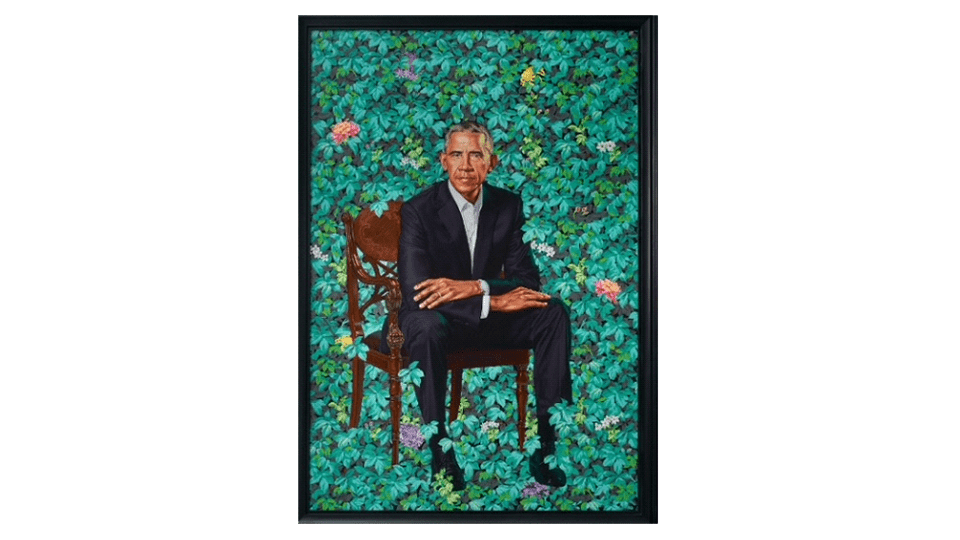
My work has always been more than painting on walls; it has always had a social dimension. Whether meeting people in the streets or exhibiting in communities and neighborhoods that are traditionally underrepresented, my work engages ideas larger than myself: identity, representation, and the broader evolution of culture. To that extent, I wanted my work to reach further into the world—not only by creating the first official portrait of President Barack Obama for the Smithsonian Institution in Washington, D.C., but also by expanding into the 54 nations of Africa. I created a series of paintings depicting African presidencies in an unprecedented way. Art is always political, whether depicting a landscape or refining a portrait. What we say “yes” to in art also implies what we say “no” to, which is inherently an ethical or moral consideration. If I’ve chosen this path for myself, it presupposes that others might as well. There is a nod toward a set of choices, protocols, aesthetics, and traditions that I embrace—and that I hope the world will continue to help me expand.
7. Your paintings raise profound questions about beauty, gender, sexuality, and race. How do you decide which “street casting” subjects to elevate?
When street casting for my paintings, I rely on an instinctual sense of presence. There is no one type, no one look—there is simply a moment that feels right for painting in the time and place where I stand. Fashion has evolved, sensibilities have changed, but the act of street casting and finding moments of real surprise in the world remains. That’s one of the reasons the work continues to feel fresh and alive: it has a direct, indexical relationship to the moving streets.
8. How do you feel about your work existing in both museum and public contexts, like your Rumors of War sculpture?
Museums are very important. They are bastions of what we consider the best of our culture in any given generation. They’re great—but they’re also gatekeepers, which means the experience of art within them is inherently limited. In contrast, open and public spaces are much more inclusive. There’s an unpredictability to public works that makes for a far more exciting viewership.
Interview by Jimon
