
1. Where do you call home?
I live in a small town on a creek in southeastern Pennsylvania with two cats.
2. Have you had any training, or is it all inherent?
I’m a healthy mix of self-taught with some loose formal training. I learned to paint with acrylics in high school, then studied fashion design and film in college. I used to make elaborate costumes from secondhand textiles and create performance videos in rural Pennsylvania, where I grew up. I always loved painting, so I taught myself how to oil paint, albeit poorly at first.
After that, I went to graduate school for painting, hoping for some technique classes, only to realize you were expected to already have a strong technique at that level. I pestered many of my talented painting friends and professors for tips. I cobbled it all together until I eventually took some atelier-style painting classes after grad school to strengthen my understanding of traditional technique. That paid off, and I highly recommend continuing-ed classes.
3. How did you discover your style?
There has always been something a little “off” in my drawing, and it naturally emerged as my style. My drawings are unrefined and raw in a way that can put people off or make them laugh.
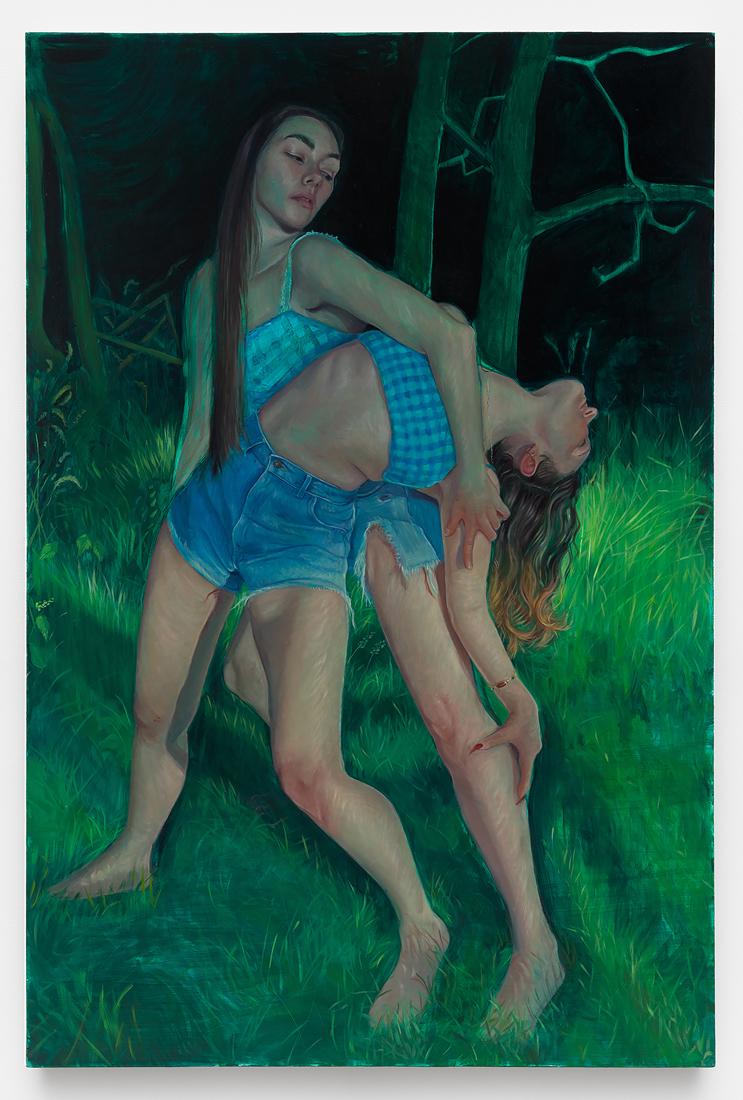
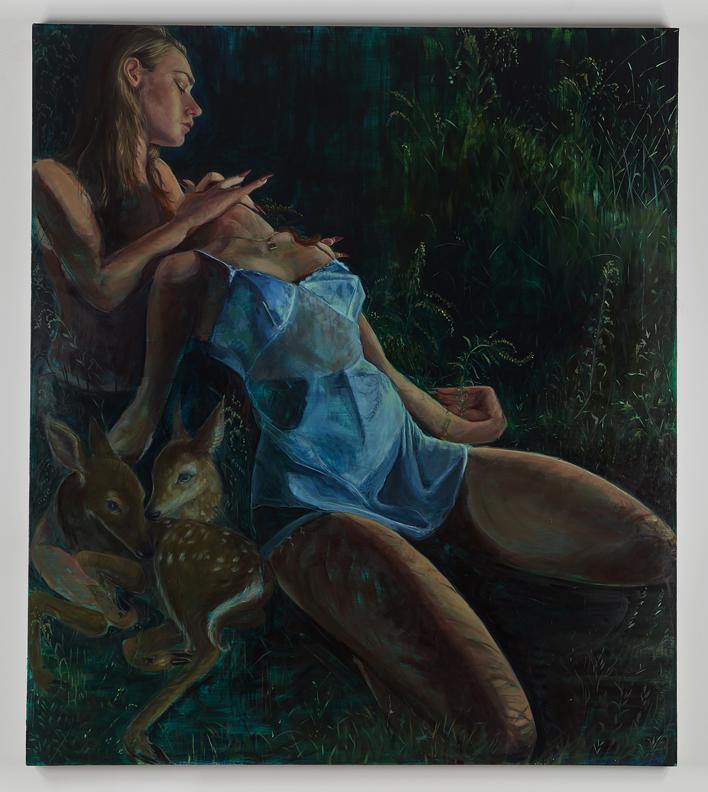
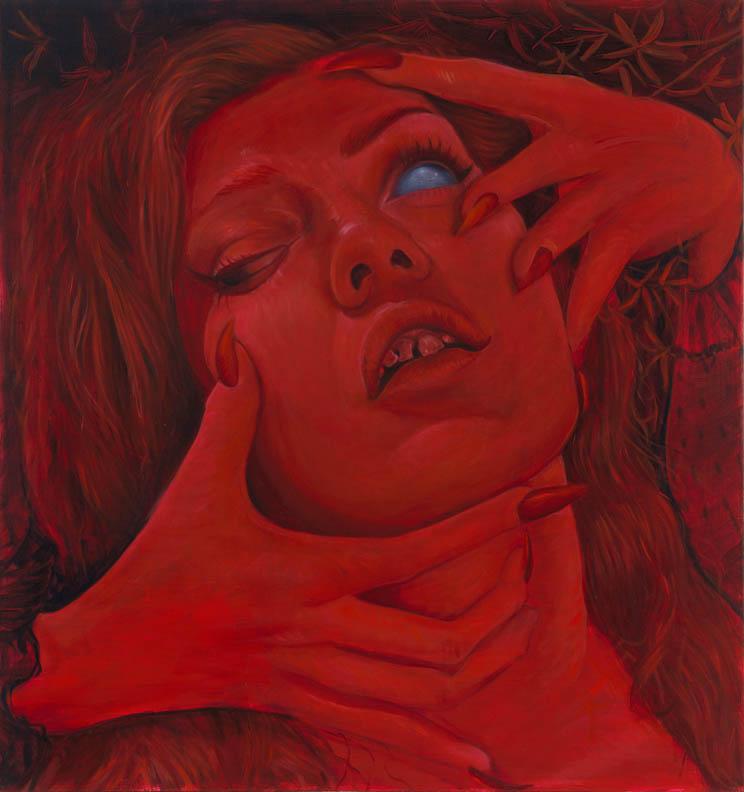
The paintings took me longer to define. When I started painting more intensely, I found myself wrestling with more variables: color, composition, realism versus stylization. I think I just kept doing the things I liked and refining them until they formed whatever you’d call what I’m doing today.
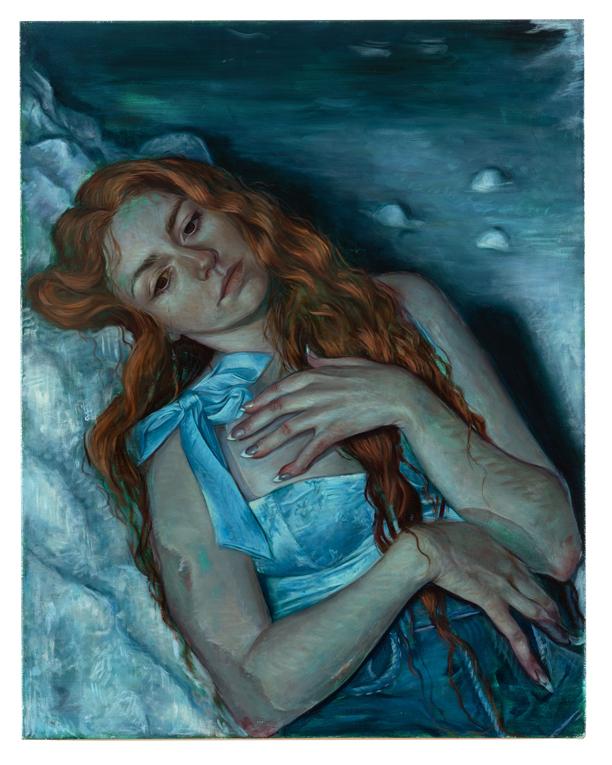
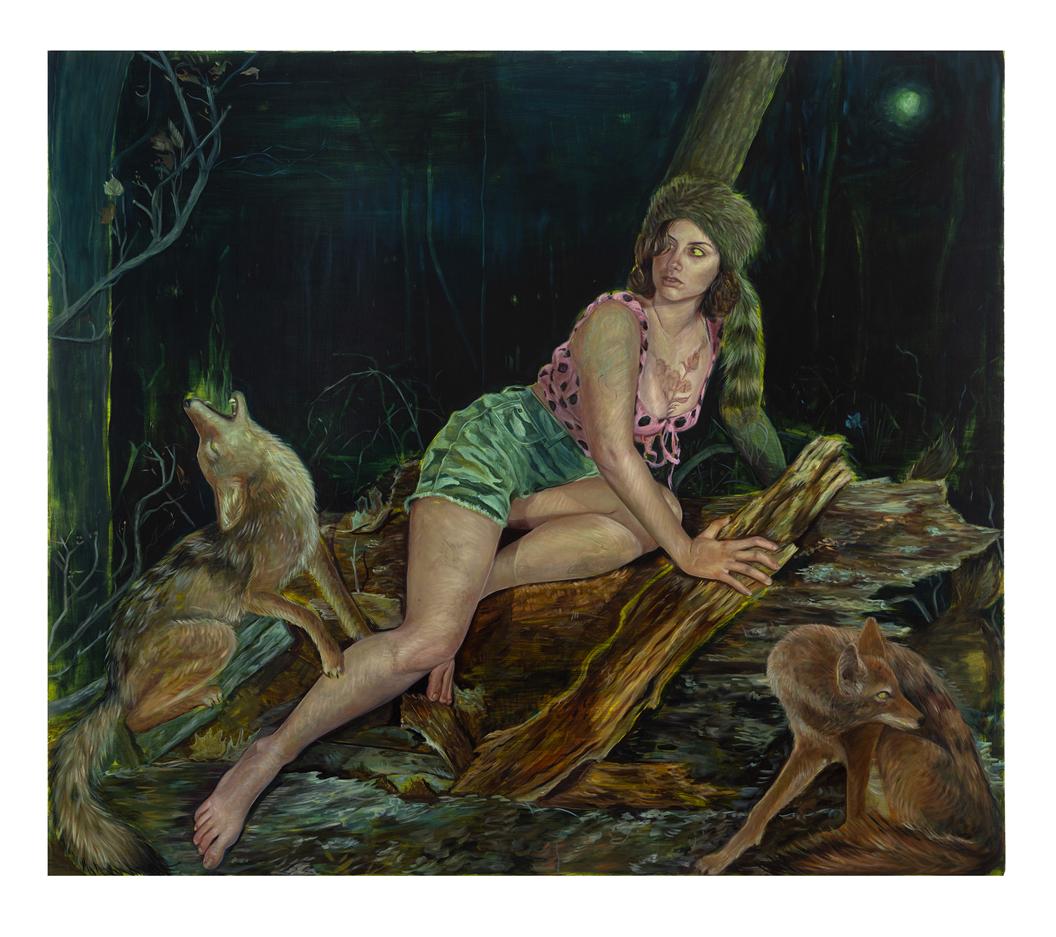
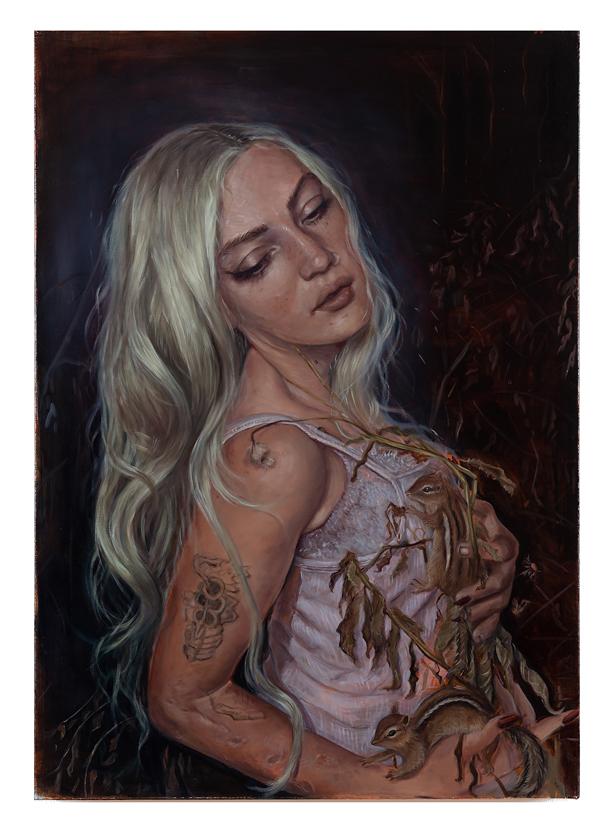
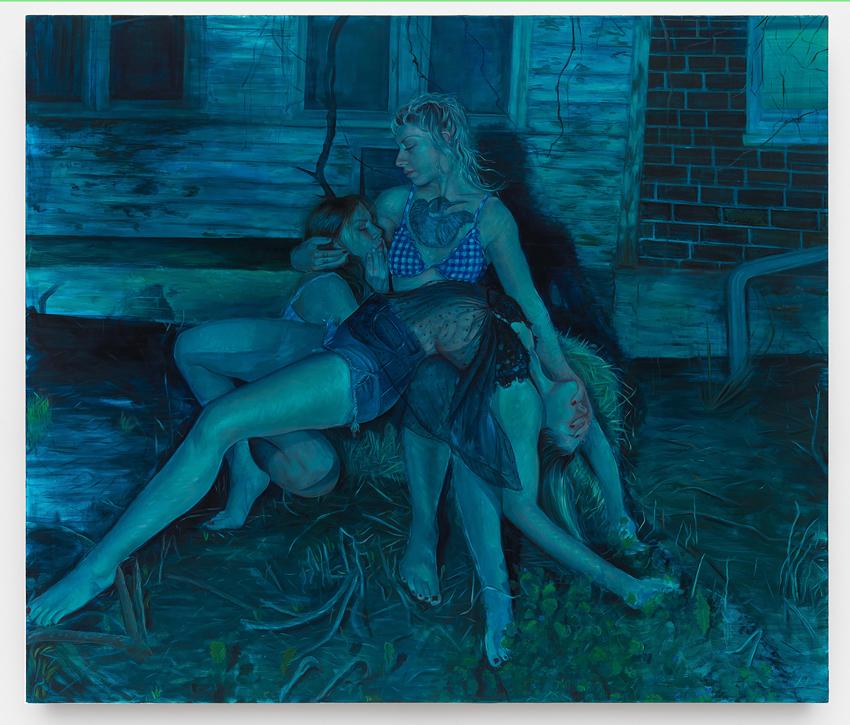
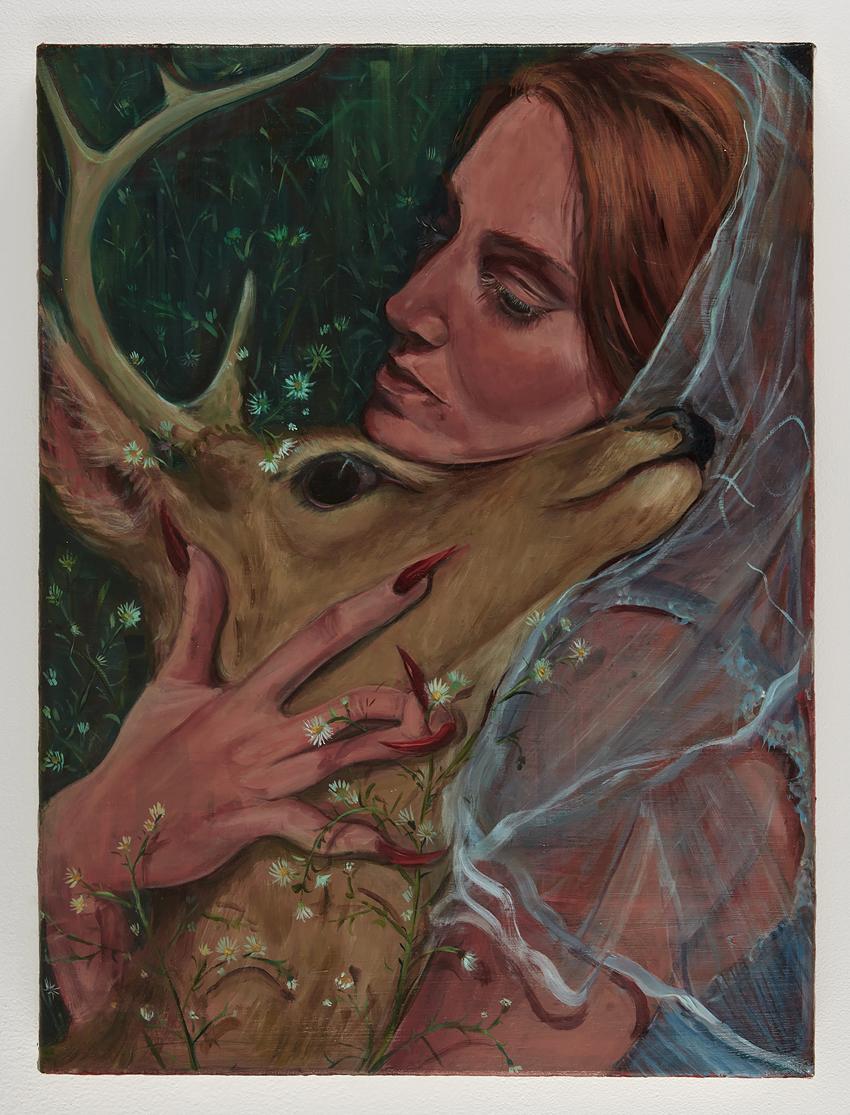
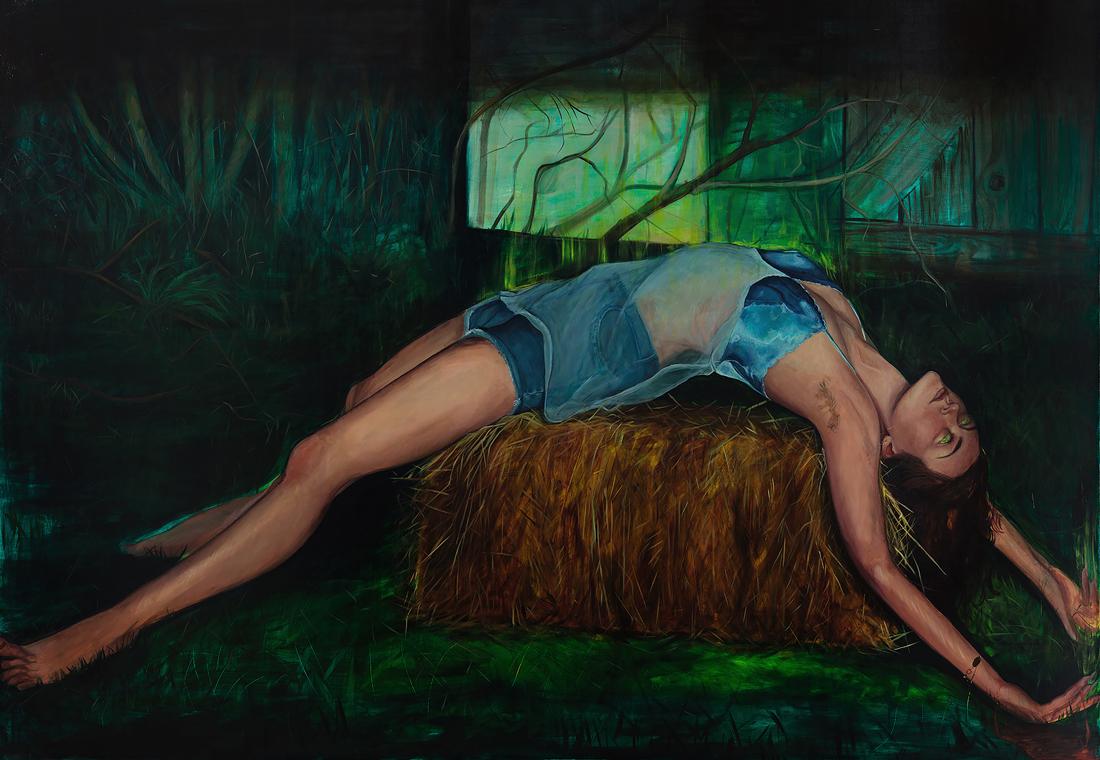
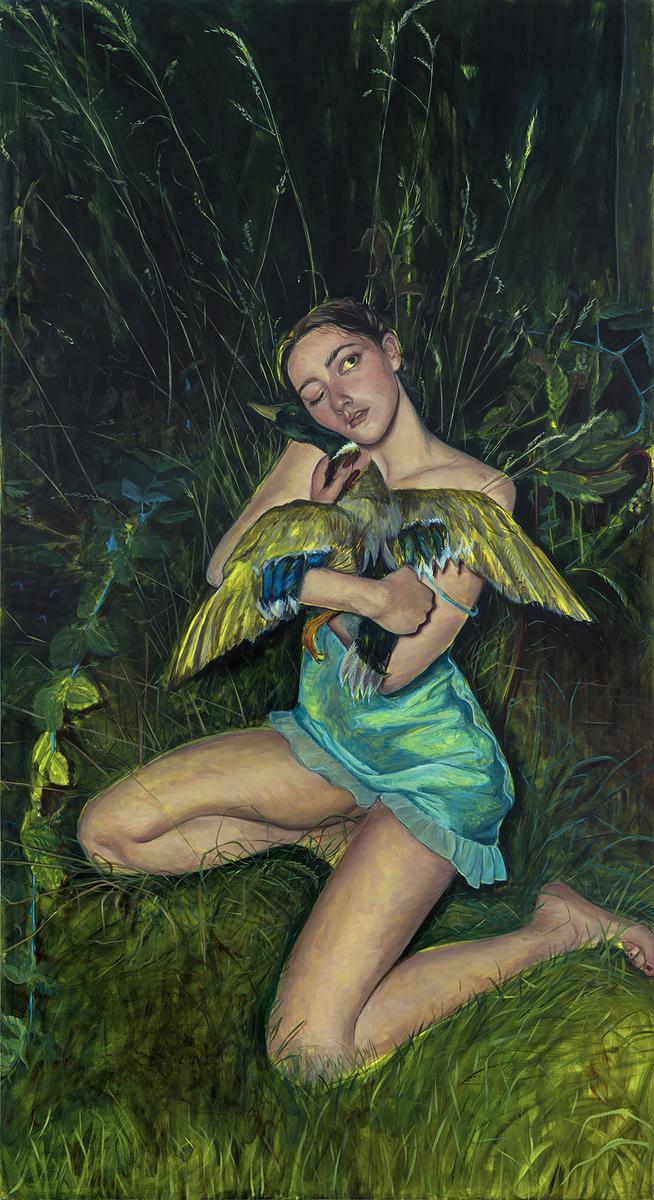
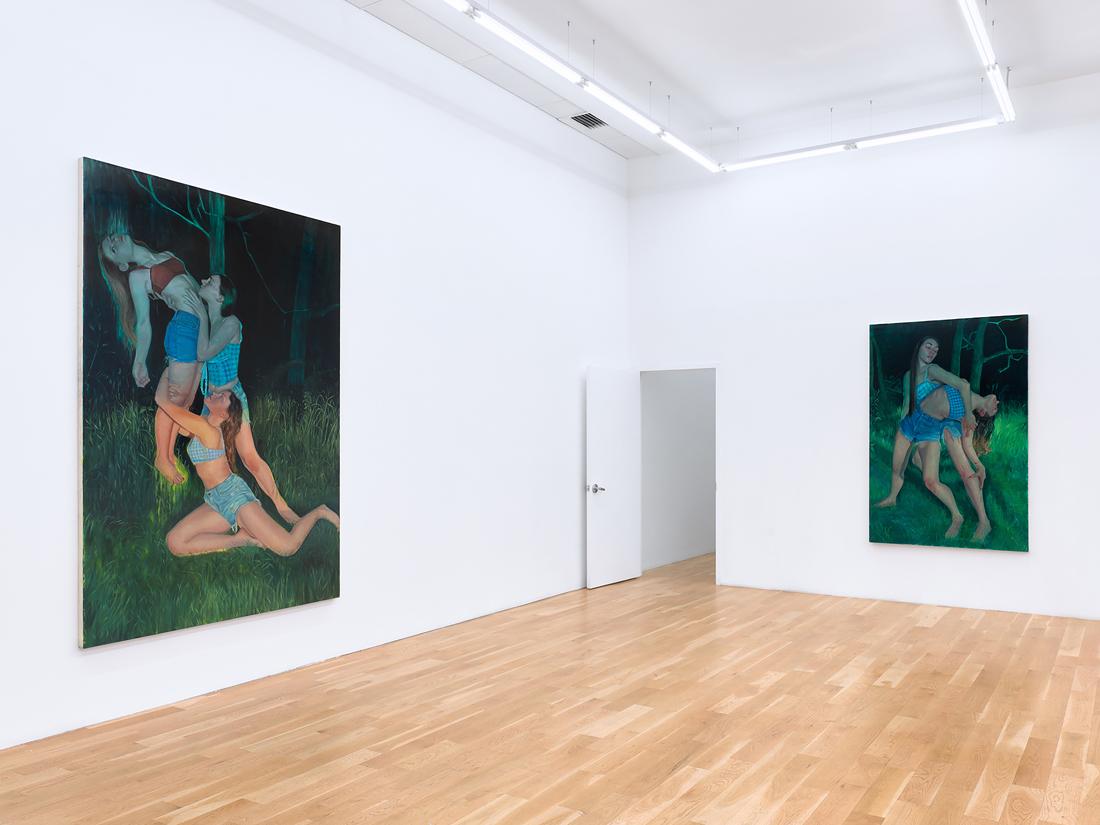
4. Do you feel your work reflects who you are—or who you're becoming?
I can’t imagine making work that doesn’t reflect some part of myself. I think that’s what compels all of us to create, no matter the medium. My work comes off a lot more demented than I probably do when you meet me in person.
5. Which early influences shaped your artistic identity the most?
I started with writers because I always loved reading, and strong voices that built worlds; Philip Roth, Raymond Carver, and John O’Hara, who had such a strong sense of place. Musically, it was Bruce Springsteen and old country music like Dolly Parton that resonated with me; they painted pictures lyrically that felt so specific. Then came the filmmakers: David Lynch and John Waters.
Painting-wise, I was always drawn to the Mannerist Renaissance and, of course, Andrew Wyeth, the Wyeth estate isn’t far from where I grew up. My favorite religious painter is William Blake. I also loved contemporary artists like Marlene Dumas and Kerry James Marshall, whose figurative work holds so much mystery.
More than anything, though, Pennsylvania Dutch folk art has been the constant, both my heritage and the artistic language around me growing up. From hex signs on barns to labels on baked goods to table runners, PA Dutch folk art was everywhere. I loved going to quilt circles with my grams as a kid, adding my silly little stitches to a collaboration of women, young and old, creating something beautiful. A quilt from the 1700s, from my small town, was included in an exhibition at the American Folk Art Museum in New York a few years ago, and it felt incredibly special. I also took so much from Fraktur illuminated manuscripts: the linework, symbols, and flowers. I love it all, even if I don’t work in the exact tradition.
6. Do you see your work as a reflection of emotional states, subconscious impulses, or something else entirely?
My work starts as a reflection of an emotional state, that’s what the figurative imagery conveys. There are certainly subconscious impulses that get revealed once I let the painting speak through color, brushwork, and mistakes. Much of the subconscious material comes from a deep desire to create the right circumstances to elicit a direct mystical experience with God. Even though it’s impossible to conjure that, the paintings reflect those desires and the failures of those desires, as well as the opposite: states where you feel possessed by something dark and the body in the painting feels vacant or disturbed. I aim to be a conduit for something outside myself that filters through the work.
7. Do you believe abstraction should be decoded, or simply absorbed?
I’m a bit of a philistine when it comes to abstraction, so I’ll leave that to the experts. Most of my painter friends work abstractly, though, which is funny, I think it’s because they’re control freaks like me.
8. What does your process typically look like—planned, instinctive, or a combination of both?
My process is planned chaos, obsessive at times. I have many steps I won’t reveal, but I spend most of my time creating elaborate film sets with my subjects, both outdoors and with live animals whenever I can. I’ll repeat shots when I don’t like how they turn out, which is often. Because so many variables depend on my models and the weather, the imagery becomes both adaptive and collaborative. By the time I get to painting, I’ve drawn the image by hand a million times and done multiple color studies.
9. Do you know where the finish line is when you start a painting, or is it fluid?
The finish line depends on scale and intention. I have an idea of where I’d like something to end up, and it usually happens more quickly with smaller works. I also think responding to the painting as you go allows emotion to seep in, rather than following a paint-by-numbers approach. If you don’t feel anything when you look at the work, chances are others won’t either.
10. How do you know when a painting is truly finished?
When I allow myself to walk away. There’s a fine line between finished and overworked.
11. Do you have a specific routine, or is every day different?
I do better with routine, but I have to create it myself, so it’s a difficult and necessary mistress. I teach some days, but when I’m in the studio, I have an ideal routine. If I don’t have a plan, I get overwhelmed and waste time. I get all my kinetic energy out before going to the studio—it helps me sort my thoughts and focus. I always grab a coffee on the way and I drink it before I even arrive. I’ve made sure my studio isn’t cozy: no couch, nothing comfortable—just bright overhead lights and a stool. No internet either; a grad school professor taught me that.
I can’t paint when I have plans afterward because it distracts me. I need to feel like I could stay as long as necessary, until I’m starving or the fumes make me dizzy.
12. Do you consider the viewer when you are painting, or not at all?
Absolutely. I’m constantly trying to triangulate the viewer between me and the subject—whether to evoke, antagonize, seduce, reveal, or make complicit.
13. If you could experiment in a completely different medium, what would it be?
I want to take my writing more seriously because I think painting has constraints; it can’t say everything I’m trying to express visually. Film is another medium I’ve pushed aside while figuring out painting—it would be great to return to it.
Interview by Jimon
